

Choosing the Right Batteries for Vape Pens
Vape pens have surged in popularity, offering a convenient and versatile vaping experience. But a vape pen is only as good as its battery. Selecting the right batteries for vape pens is crucial for performance, safety, and overall satisfaction. This guide dives deep into the world of vape pen batteries, covering types, specifications, safety tips, and helping you make an informed decision. We’ll explore the nuances of different battery chemistries and help you understand what works best for your vaping style.
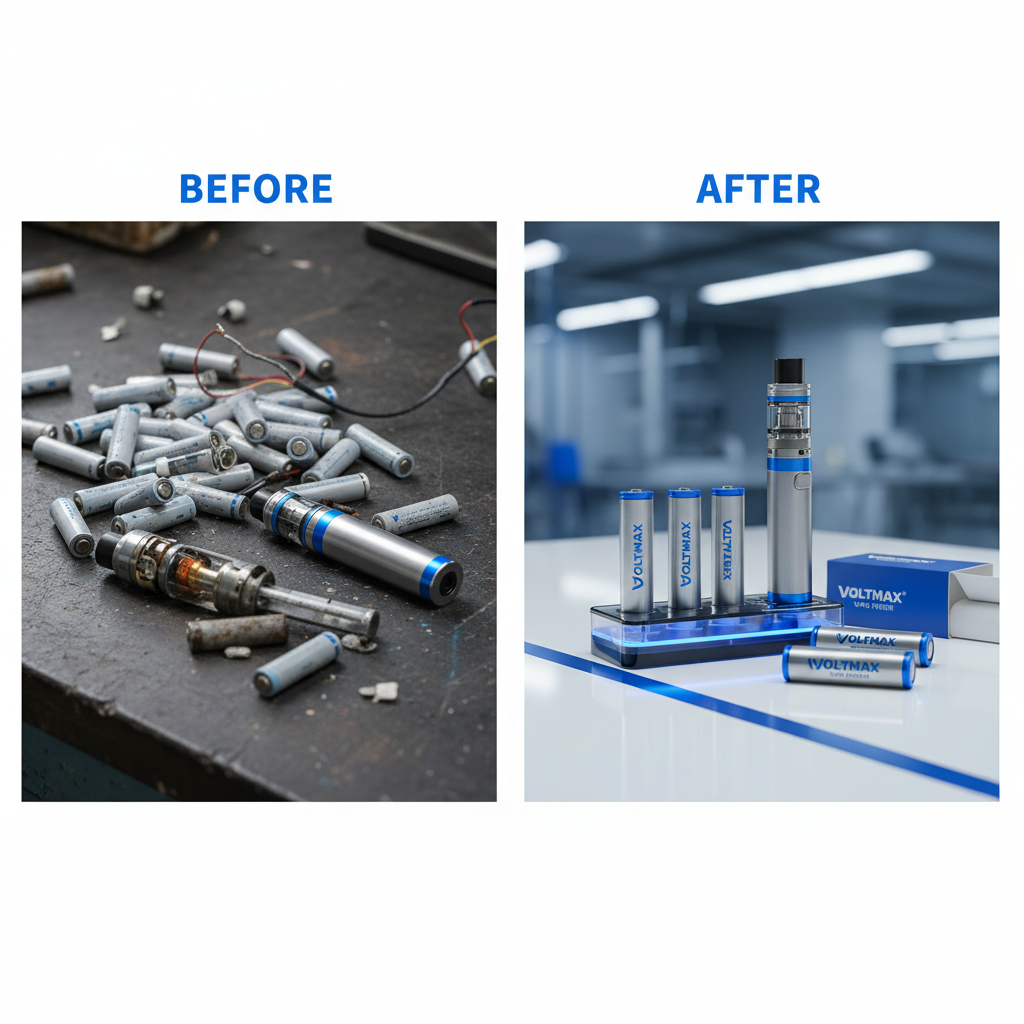
Understanding Vape Pen Battery Types
Vape pen batteries predominantly fall into a few key categories. The most common are 18650, 20700, and 21700 batteries. Each type offers different capacity and power output capabilities. 18650 batteries are the traditional standard, known for their wide availability and reasonable cost. 20700 and 21700 batteries are larger in diameter and length, offering higher capacity and potentially greater discharge rates. Understanding these differences is key to matching the battery to your vape pen's requirements. Additionally, internal batteries (integrated into the pen) are popular for their simplicity, though they are less customizable. SXZ Pods provides a comprehensive range of quality batteries to suit various needs.
Key Takeaway: Choosing the right battery type depends on your vape pen's specifications and your desired vaping style. Higher capacity means longer use between charges, while higher discharge rates enable more powerful vapor production.
Important Battery Specifications to Consider
Several specifications define a vape pen battery’s performance. Capacity (measured in mAh) indicates how long the battery will last on a single charge. Voltage affects the power delivered to the atomizer. Continuous Discharge Rate (CDR), measured in Amps (A), is critical—it must meet or exceed the atomizer's requirements. Exceeding the CDR can lead to battery instability and safety risks. Internal Resistance is another factor, influencing power delivery and battery efficiency. A lower internal resistance is generally preferable. It’s important to choose batteries from reputable brands to ensure accurate specifications and consistent quality.
Essential Battery Specs:
• Capacity (mAh): Determines battery life.
• Voltage (V): Impacts power output.
• Continuous Discharge Rate (CDR): Must meet or exceed atomizer requirements.
• Internal Resistance: Lower is generally better.
Batteries for Vape Pens: A Comparison Chart
Here's a comparison of the most common vape pen battery types:
Vape Pen Battery Safety: Essential Precautions
Safety is paramount when dealing with lithium-ion batteries. Always use batteries from reputable manufacturers like SXZ Pods. Never use damaged or corroded batteries. Avoid short-circuiting the battery—this can cause a fire or explosion. Do not overcharge or over-discharge batteries. Store batteries in a cool, dry place, away from metal objects. Always use a compatible charger designed for lithium-ion batteries. When discarding batteries, recycle them responsibly at a designated recycling center.
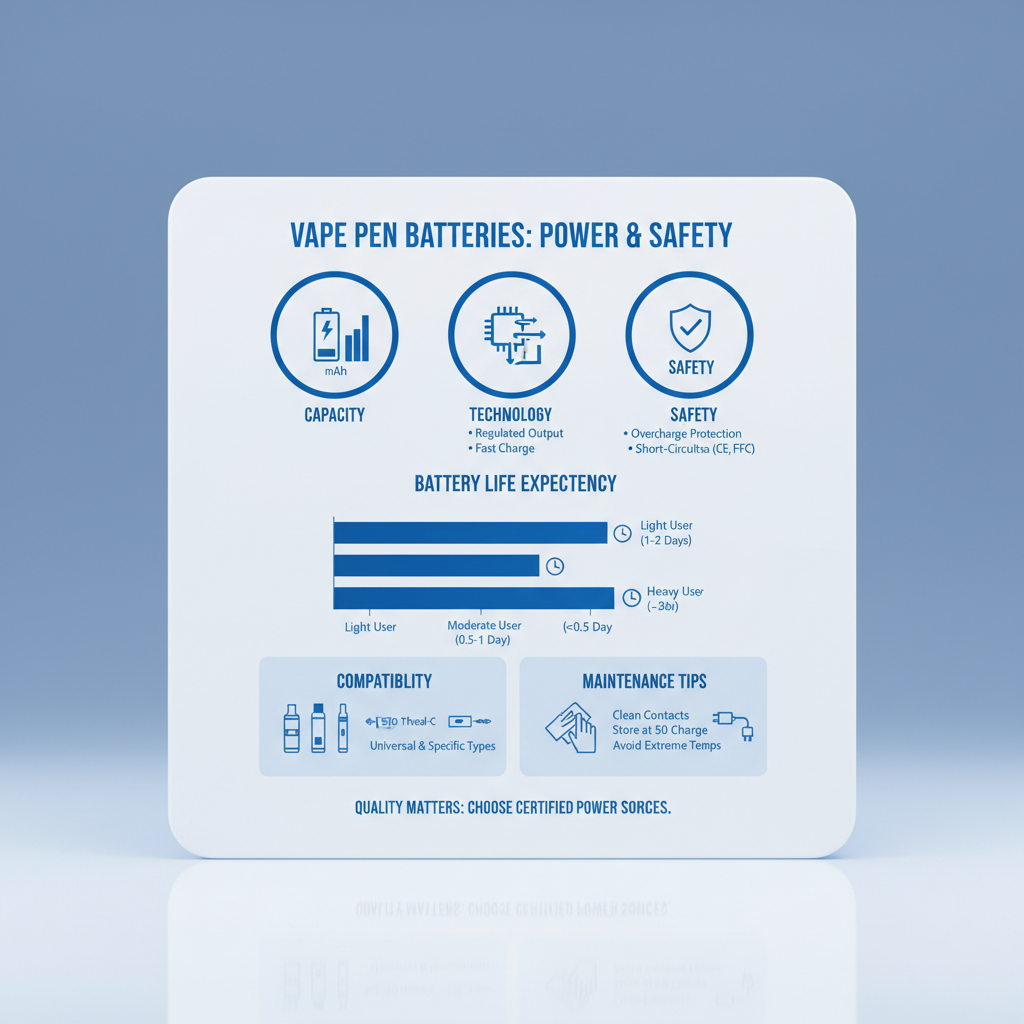
Choosing the Right Battery: A Final Guide
Selecting the best batteries for vape pens requires careful consideration. Match the battery type and specifications to your vape pen's requirements. Prioritize safety by choosing reputable brands and following proper handling and storage procedures. Consider your vaping habits—longer vaping sessions require higher capacity batteries, while power users may benefit from batteries with higher discharge rates. Don't hesitate to consult your vape pen’s documentation or seek advice from experienced vapers.
Conclusion: Powering Your Vape with Confidence
Investing in quality vape pen batteries from a trusted source like SXZ Pods ensures a safe, reliable, and enjoyable vaping experience. Prioritize safety, understand the specifications, and choose batteries that align with your vaping style.
Frequently Asked Questions (FAQs)
What does "mAh" mean when referring to vape batteries?
mAh stands for milliampere-hour, and it's a unit of electrical charge. A higher mAh rating indicates a larger capacity, meaning the battery can store more energy and power your vape pen for a longer period before needing to be recharged. For example, a 3000mAh battery will generally last longer than a 2000mAh battery, assuming all other factors are equal. Choosing the right mAh rating depends on how frequently you vape and how long your vaping sessions are.
How do I know if a battery is compatible with my vape pen?
Check your vape pen’s specifications. The manufacturer will usually list the compatible battery type (e.g., 18650, 21700) and voltage requirements. Crucially, ensure the battery’s Continuous Discharge Rate (CDR) meets or exceeds the atomizer's requirements. Using a battery with an insufficient CDR can be dangerous. If you're unsure, consult the vape pen's documentation or contact the manufacturer.
What is the difference between protected and unprotected batteries?
Protected batteries have built-in circuitry that safeguards against overcharging, over-discharging, and short circuits. Unprotected batteries do not have these safety features. While unprotected batteries can offer slightly better performance, they require a higher level of knowledge and caution. For most users, particularly beginners, protected batteries are the safer option.
How should I store my vape batteries when not in use?
Store your vape batteries in a cool, dry place, away from direct sunlight and extreme temperatures. It’s best to store them in a plastic case or battery organizer to prevent accidental short circuits. Never store batteries with metal objects like coins or keys. If you plan to store them for an extended period, aim for a charge level of around 40-60%.
Latest News
-
Essential Select Vape Pen Charging Instructions for Battery Life
NewsApr.16,2026 -
Mastering Your Device with Essential o pen vape instructions
NewsApr.09,2026 -
Comprehensive Mist Vape Pen Instructions for Optimal Vaping Experience
NewsApr.07,2026 -
Comprehensive Hybrid Vape Pen Instructions for Optimal Performance and Safety
NewsApr.04,2026 -
Comprehensive Purple Vape Pen Instructions for Safe and Enjoyable Use
NewsMar.31,2026 -
Comprehensive In House Vape Pen Charging Instructions for Optimal Performance
NewsMar.28,2026