Understanding the diverse landscape of electronic cigarettes types is essential for consumers and industry professionals alike, as the market has evolved from simple delivery systems to complex, high-performance devices. This evolution reflects a global shift toward personalized user experiences, where the choice of hardware directly influences the sensory outcome and efficiency of the product.
From a global industrial perspective, the development of various electronic cigarettes types addresses a critical need for versatility and accessibility. By diversifying the technology—ranging from closed-pod systems to advanced mods—manufacturers can cater to different demographics, ensuring that the transition from traditional methods to modern alternatives is seamless and tailored to individual preferences.
Exploring these categories not only reveals the technical ingenuity behind vapor production but also highlights the intersection of luxury design and functional engineering. Whether focusing on portability or cloud production, the variety of available options ensures that there is a specific solution for every type of user, driving innovation across the light industrial and handicraft sectors.
The Evolution of Electronic Cigarettes Types
The journey of electronic cigarettes types began with basic "cig-a-likes," which were designed to mimic the look and feel of traditional cigarettes. These early iterations focused primarily on habit replacement, offering a simple battery and a pre-filled cartridge, though they lacked the customization and power that modern users now demand.
As the industry matured, the focus shifted toward modularity. The introduction of tank systems and variable voltage mods allowed users to control their experience, leading to a surge in technical sophistication. This transition transformed the device from a simple tool into a piece of precision engineering, blending aesthetic appeal with high-efficiency performance.
Core Components of Modern Vapor Systems
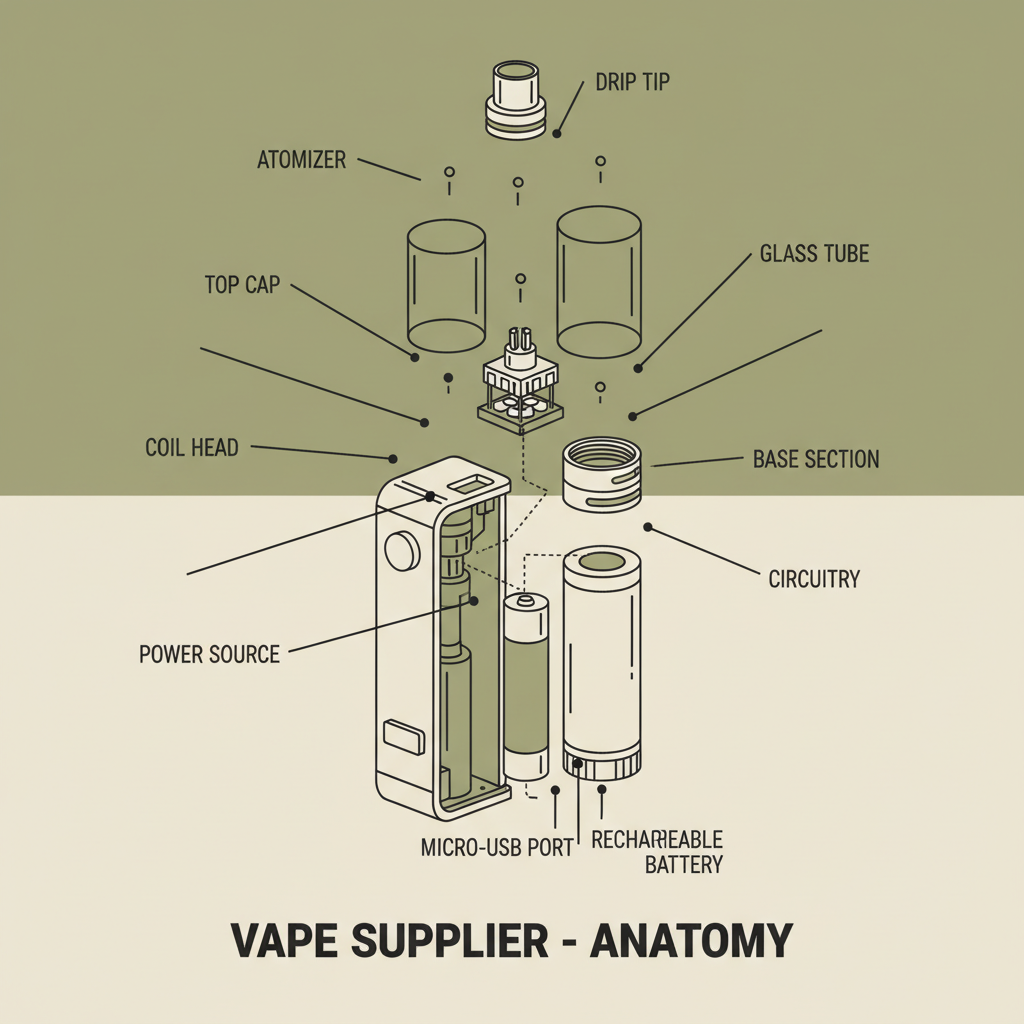
At the heart of all electronic cigarettes types is the atomization process. This involves a heating element—typically a coil made of Kanthal, Stainless Steel, or Nickel—that vaporizes a liquid solution. The precision of this heating process is what differentiates a high-end device from a budget alternative, affecting both flavor clarity and vapor density.
Power management is another critical factor. Modern devices utilize advanced chipsets to regulate wattage and voltage, ensuring that the coil does not overheat (preventing "dry hits") and that battery life is optimized. This electronic intelligence allows for a consistent experience across various settings, from stealthy MTL (mouth-to-lung) to expansive DTL (direct-to-lung) vaping.
Finally, the delivery system—consisting of the mouthpiece and the airflow control—determines the "draw" of the device. Engineers meticulously design these paths to manage turbulence and condensation, ensuring that the user receives a smooth, clean inhalation. This synergy of electrical and mechanical components defines the overall quality of the device.
Industrial Standards and Material Quality
When analyzing electronic cigarettes types, the choice of materials is paramount for safety and durability. High-grade aluminum alloys and food-grade plastics are standard in the industry to ensure that devices can withstand daily wear and tear while remaining lightweight and ergonomically sound.
The integration of Borosilicate glass in tanks is a prime example of industrial excellence within electronic cigarettes types, providing thermal shock resistance and chemical neutrality. This ensures that the purity of the e-liquid is maintained, preventing any leaching that could alter the flavor profile or compromise user health.
Furthermore, the adoption of ISO-certified manufacturing processes ensures that every component, from the O-rings to the battery contacts, meets strict tolerance levels. This commitment to precision reduces the likelihood of leaks and malfunctions, elevating the reliability of the device in various environmental conditions.
Performance Metrics Across Different Categories
Evaluating the effectiveness of different electronic cigarettes types requires a look at specific performance indicators. Key metrics include battery longevity, heating speed, and the efficiency of the wicking material, all of which contribute to the overall user satisfaction and device lifespan.
By comparing these metrics, users can determine whether a compact pod system or a robust box mod suits their lifestyle. While pod systems excel in portability and ease of use, mods offer unparalleled power and customization, catering to the "cloud chaser" demographic.
Performance Ratings for Electronic Cigarettes Types
Global Application and Market Reach
The deployment of various electronic cigarettes types has seen massive adoption across North America, Europe, and Asia. In these regions, the products are utilized not only for personal preference but as tools for harm reduction in public health strategies, supported by diverse regulatory frameworks.
From the high-tech hubs of Shenzhen to the boutique shops of London, the demand for innovative hardware drives continuous R&D. This global reach ensures that feedback from diverse user bases is integrated back into the manufacturing process, leading to more intuitive and inclusive designs.
Sustainability and Long-term Value
As we look at the long-term impact of electronic cigarettes types, sustainability has become a focal point. The industry is moving away from disposable components toward refillable systems and biodegradable materials, reducing the environmental footprint of electronic waste.
Investment in higher-quality, durable hardware provides better long-term value for the consumer. By choosing devices with replaceable coils and batteries, users reduce the frequency of replacements, which logically translates to both cost savings and a reduction in landfill contributions.
Moreover, the shift toward "green" manufacturing—utilizing solar energy in factories and reducing plastic packaging—demonstrates a commitment to corporate social responsibility. This holistic approach ensures that the innovation in vapor technology does not come at the expense of the planet.
Future Innovations in Device Architecture
The future of electronic cigarettes types lies in the integration of smart technology. We are seeing the rise of Bluetooth-enabled devices that allow users to control temperature and wattage via smartphone apps, creating a fully digitized vaping ecosystem.
Automation in the heating process, such as ceramic coil technology, promises more consistent flavor delivery and longer coil life. These innovations are designed to eliminate the "learning curve" associated with advanced mods, making high-performance vaping accessible to the general public.
Furthermore, the exploration of new materials, such as carbon fiber and aerospace-grade titanium, will further enhance the durability and prestige of these devices. The intersection of luxury craftsmanship and digital transformation is set to redefine the industry standards for years to come.
Comparative Analysis of Device Architecture and User Efficiency
| Device Category |
Power Efficiency |
Maintenance Level |
Customization Score |
| Disposable Pods |
Low |
Zero |
1/10 |
| Closed Pod Systems |
Medium |
Low |
3/10 |
| Open Tank Systems |
High |
Medium |
7/10 |
| Advanced Box Mods |
Very High |
High |
10/10 |
| Vape Pens |
Medium |
Low |
5/10 |
| Smart Hybrid Devices |
Optimal |
Medium |
8/10 |
FAQS
The primary differences lie in power output, versatility, and maintenance. Disposable types are designed for convenience with zero maintenance. Pod systems offer a balance of portability and flavor. Box mods provide the highest level of customization, allowing users to adjust wattage and replace individual coils for a tailored experience.
For those new to the experience, pod systems or vape pens are generally recommended. These electronic cigarettes types are intuitive, requiring minimal setup and providing a consistent draw that mimics traditional habits without the complexity of manual coil building or voltage adjustment.
Depending on your needs, you should look for specific materials. Aluminum is ideal for a lightweight feel, while zinc alloy provides a premium, weighted durability. If you prioritize taste purity, ensure the tank is made from Borosilicate glass or high-grade Pyrex, which are standard in professional-grade electronic cigarettes types.
Yes, smart features such as OLED screens and app connectivity allow users to monitor battery life precisely and prevent coil burn-out through automated voltage protection. In advanced electronic cigarettes types, these features ensure a consistent flavor profile and increase the overall lifespan of the hardware.
While advanced mods require more attention—such as priming coils and managing e-liquid levels—most modern designs have simplified these processes. With a basic understanding of the hardware, most users find the trade-off for better performance and lower long-term costs to be well worth the effort.
Sustainability shifts the preference toward refillable systems. By avoiding disposable electronic cigarettes types, users significantly reduce plastic and battery waste. Investing in a high-quality, rechargeable device is not only more eco-friendly but typically more cost-effective over a one-year period.
Conclusion
In summary, the landscape of electronic cigarettes types is a testament to the rapid intersection of light industrial manufacturing and consumer-centric design. From the simplicity of pods to the sophistication of smart mods, each category serves a specific purpose, balancing portability, power, and sustainability to meet a global demand for versatile alternatives.
As the industry continues to evolve, the focus will undoubtedly shift further toward eco-friendly materials and intelligent automation. For consumers and businesses, staying informed about these technological trajectories is key to making sustainable and efficient choices. To explore the latest innovations in high-performance hardware, visit our website: www.sxzpods.com