The world of fragrance is a captivating blend of art, science, and cultural expression. Within this vast landscape, china perfume holds a unique and increasingly prominent position. From ancient traditions to modern innovations, the Chinese perfume industry is undergoing a remarkable transformation, captivating global markets with its distinctive scents and evolving techniques. Understanding this dynamic sector is crucial for both consumers and industry professionals alike.
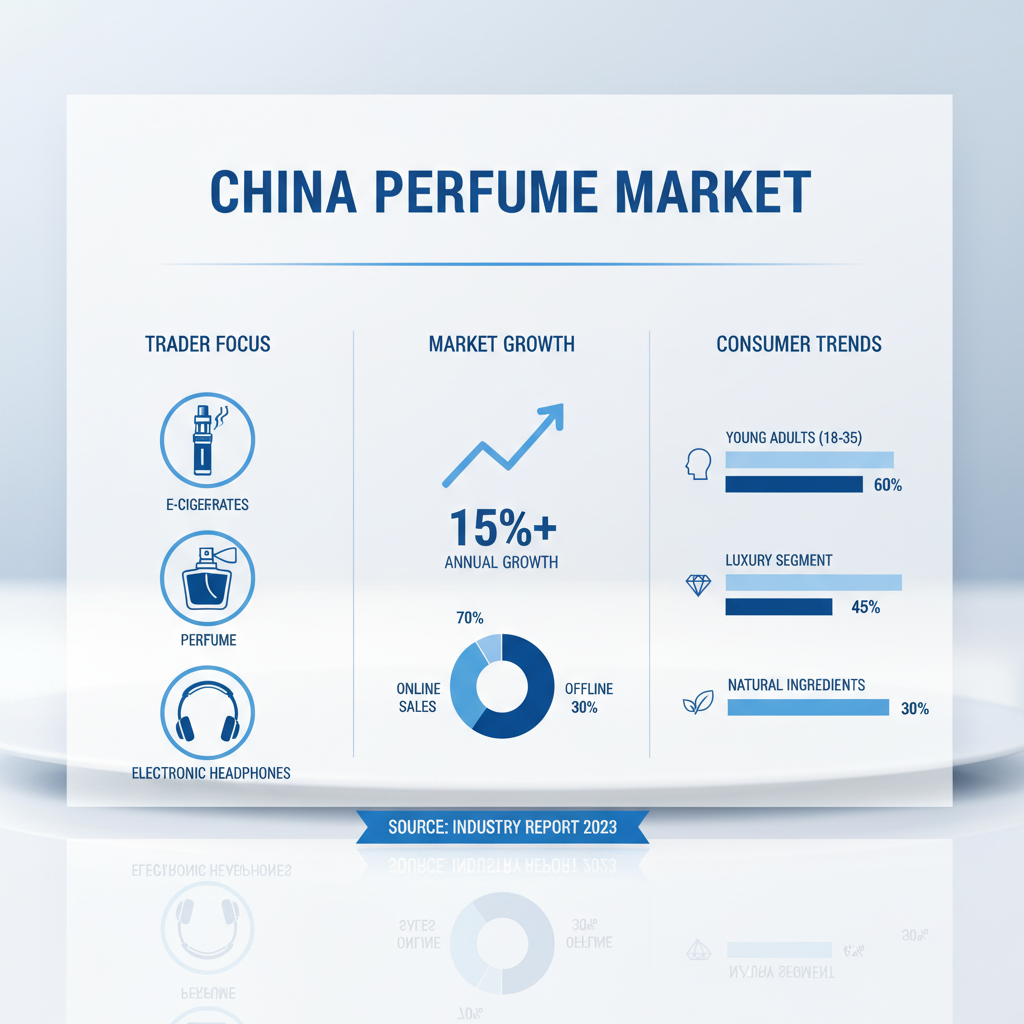
Driven by a growing middle class, increased disposable income, and a renewed appreciation for traditional Chinese culture, the demand for premium fragrances in China has surged. This has led to a flourishing domestic industry and heightened interest from international brands eager to tap into this lucrative market. The increasing emphasis on natural ingredients and sustainable practices further adds to the complexity and allure of china perfume.
Exploring china perfume provides insights into unique raw materials, sophisticated blending methods, and captivating scent profiles that distinguish it from Western fragrance traditions. Its growth represents a significant shift in the global fragrance landscape, offering both opportunities and challenges for brands and consumers worldwide.
The Historical Development of china perfume
The history of china perfume is deeply intertwined with the country’s rich cultural heritage, stretching back thousands of years. Early forms of fragrance weren't perfumes as we know them today, but rather incense used in religious ceremonies and aromatic oils for medicinal purposes. The use of fragrant woods, flowers, and spices dates back to the Han Dynasty (206 BC – 220 AD).
Over the centuries, perfume making evolved, influenced by trade routes like the Silk Road, which introduced new ingredients and techniques. During the Tang Dynasty (618–907 AD), perfumed sachets and powders became popular among the elite, marking a shift towards more personal fragrance applications. This tradition continued to flourish through the Ming and Qing dynasties, establishing a strong foundation for the modern china perfume industry.
Raw Materials in china perfume
The distinctive character of china perfume stems from its unique palette of raw materials. Traditional Chinese perfumery emphasizes natural ingredients sourced from across the country, including osmanthus, plum blossoms, jasmine, sandalwood, and various herbal extracts. These botanicals impart subtle, nuanced scents often associated with harmony and balance.
Beyond flowers and woods, spices like cinnamon, cloves, and star anise contribute warmth and complexity. Animalic ingredients, historically used in some Chinese perfumes, are now increasingly replaced with synthetic alternatives for ethical and sustainability reasons. The careful selection and blending of these materials are central to creating authentic and captivating fragrance experiences.
The growing interest in traditional Chinese medicine (TCM) also influences the selection of ingredients, with certain herbs believed to possess therapeutic benefits in addition to their aromatic qualities. This connection between fragrance and well-being adds another layer of depth to the world of china perfume.
Traditional Perfume Making Techniques
Traditional Chinese perfume making techniques are often closely guarded secrets passed down through generations. One key method is the "extraction" of fragrance from flowers using a water or oil-based process, often performed over several days to capture the full aromatic profile. This differs from the alcohol-based extraction commonly used in Western perfumery.
The art of blending is equally important. Chinese perfumers often emphasize creating harmonious combinations of scents, aiming for a balanced fragrance rather than a single dominant note. This approach reflects the principles of Yin and Yang, seeking to find equilibrium between contrasting elements. The use of aged ingredients is also common, allowing the scents to mature and deepen over time, enhancing the overall complexity of the china perfume.
Solid perfumes, often in the form of scented cakes or pomades, have a long history in China. These formulations, typically made with beeswax or other natural waxes, were favored for their portability and subtle, lingering scent. The process of crafting these solid perfumes required specialized skills and knowledge of ingredient interactions.
Modern Innovations in china perfume Production
While rooted in tradition, the china perfume industry is rapidly embracing modern innovations. Advances in extraction technologies, such as supercritical CO2 extraction, allow for the efficient and sustainable extraction of aromatic compounds from raw materials. This process preserves the purity and potency of the scents while minimizing environmental impact.
Chinese perfumers are also increasingly incorporating modern fragrance compounds and blending techniques, drawing inspiration from global trends while maintaining a distinct Chinese aesthetic. The use of headspace technology, which captures the scent of living flowers and plants, allows for the creation of fragrances that accurately reflect the natural aroma of these ingredients.
Assessment of China Perfume Production Methods
Global Market Trends for china perfume
The global market for china perfume is experiencing significant growth, driven by increasing consumer demand for unique and high-quality fragrances. Western consumers are becoming increasingly interested in exploring scents that deviate from traditional Western fragrance profiles, leading to a surge in demand for Chinese perfumes.
E-commerce platforms play a crucial role in facilitating the global reach of Chinese perfume brands. Online marketplaces provide access to a wider audience and allow smaller brands to compete with established players. Social media marketing and influencer collaborations are also becoming increasingly important tools for promoting china perfume to international markets.
Sustainability and Ethical Sourcing
Sustainability and ethical sourcing are gaining prominence within the china perfume industry. Consumers are increasingly demanding transparency and accountability from brands, seeking products that are environmentally friendly and ethically produced.
This has led to a growing emphasis on sustainable harvesting practices for natural ingredients, as well as the use of eco-friendly packaging materials. Chinese perfume brands are also exploring alternatives to animal-derived ingredients, opting for synthetic or plant-based alternatives that align with ethical values.
The implementation of fair trade practices and support for local communities involved in the sourcing of raw materials are also becoming increasingly important aspects of sustainable china perfume production.
The Future Landscape of china perfume
The future of china perfume is poised for continued growth and innovation. We can anticipate further integration of technology into the perfume making process, including the use of AI-powered scent design tools and personalized fragrance recommendations.
The development of new and sustainable extraction methods will be crucial for minimizing environmental impact. Increased collaboration between Chinese and Western perfumers will lead to the creation of unique and captivating fragrances that blend the best of both worlds.
A growing focus on storytelling and brand building will further enhance the appeal of china perfume to global audiences, showcasing the rich cultural heritage and artistic craftsmanship behind these exquisite fragrances.
Summary of Factors Influencing the Growth of the Chinese Perfume Industry
| Growth Factor |
Impact Level (1-10) |
Trend Analysis |
Future Outlook |
| Rising Disposable Income |
9 |
Strongly Positive |
Continued Growth |
| Cultural Renaissance |
8 |
Increasingly Positive |
High Potential |
| E-commerce Expansion |
7 |
Rapid Growth |
Essential for Global Reach |
| Sustainability Concerns |
6 |
Growing Awareness |
Mandatory for Long-Term Success |
| Innovation in Extraction |
8 |
Technological Advancement |
Significant Impact |
| Brand Building & Storytelling |
7 |
Increasingly Important |
Differentiates from Competitors |
FAQS
Traditional Chinese perfumes often prioritize subtlety and harmony, using natural ingredients like osmanthus and sandalwood, and are often less alcohol-focused. Western perfumes generally feature bolder, more concentrated scents, relying heavily on alcohol as a carrier and frequently emphasizing single dominant notes. The cultural aesthetic and intended effect also differ, with Chinese perfumes historically linked to wellness and balance.
Not necessarily. Price varies greatly depending on ingredients, brand reputation, and extraction methods. However, perfumes utilizing rare or hand-harvested ingredients, or those crafted by renowned perfumers, can be quite expensive. Many contemporary Chinese brands offer competitive pricing, particularly through online platforms.
Authentic china perfume can be purchased directly from brand websites, specialized retailers specializing in Asian beauty products, and through reputable online marketplaces. Be cautious of counterfeit products, and always verify the seller's credibility.
The longevity of a china perfume scent depends on the concentration of fragrance oils, the specific ingredients used, and individual skin chemistry. Generally, traditional Chinese perfumes, often with lower alcohol content, may have a more subtle and shorter-lasting scent compared to some Western Eau de Parfums, but this isn't always the case.
Popular scent profiles include floral notes like osmanthus, plum blossom, and jasmine; woody notes like sandalwood and agarwood; and delicate fruity notes like peach and lychee. Herbal and spice elements are also frequently incorporated, creating complex and nuanced fragrances.
Sustainability is increasingly emphasized through responsible sourcing of ingredients, eco-friendly packaging, and the adoption of sustainable extraction methods like supercritical CO2 extraction. Many brands are also prioritizing ethical labor practices and supporting local communities involved in raw material production.
Conclusion
In conclusion, the world of china perfume is a captivating blend of ancient traditions and modern innovation. From its rich historical roots and unique raw materials to its growing global presence and commitment to sustainability, this industry offers a compelling story of cultural heritage, artistic craftsmanship, and evolving consumer preferences. Understanding these facets is key to appreciating the distinctive allure of Chinese fragrances.
As the demand for authentic and ethically sourced fragrances continues to rise, china perfume is poised to play an increasingly important role in the global fragrance landscape. By embracing innovation, preserving its cultural heritage, and prioritizing sustainability, this industry can continue to captivate and inspire fragrance enthusiasts worldwide. Visit our website today to explore our collection: www.sxzpods.com.