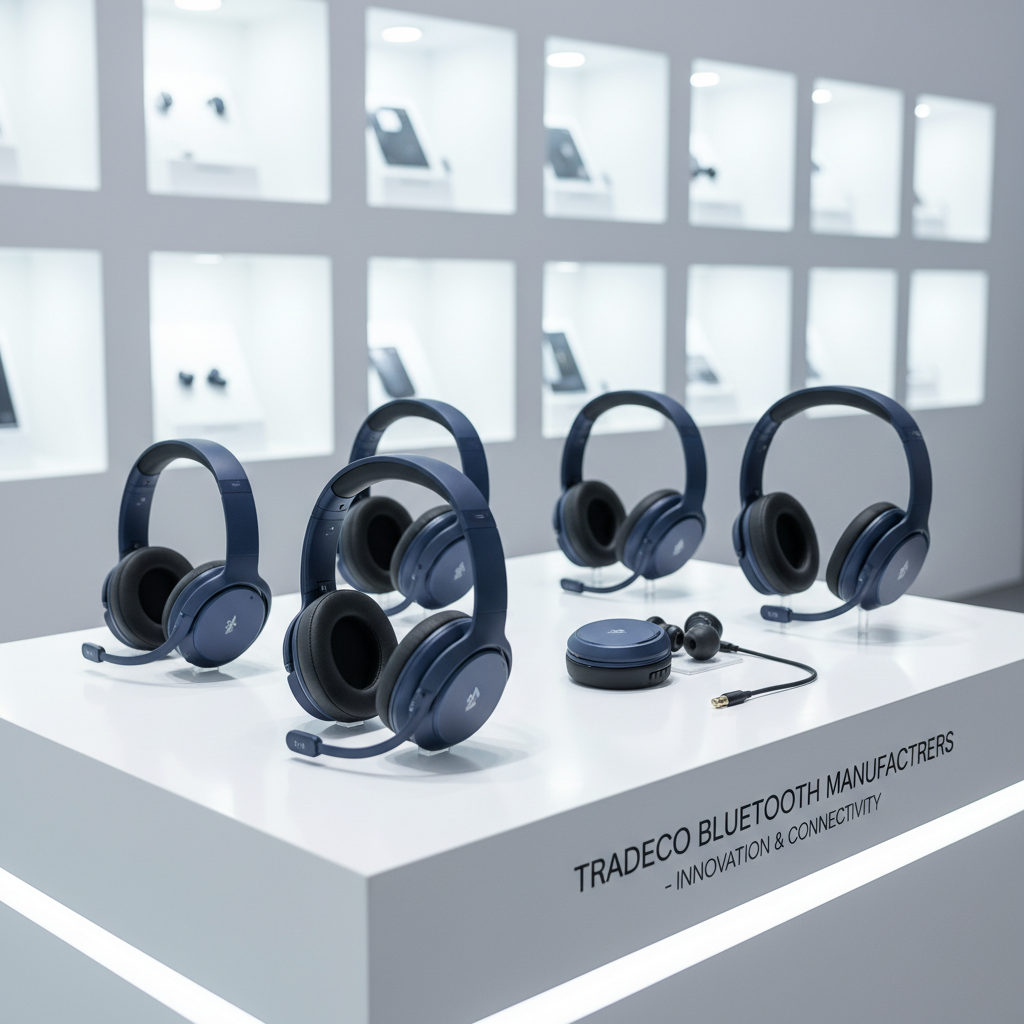
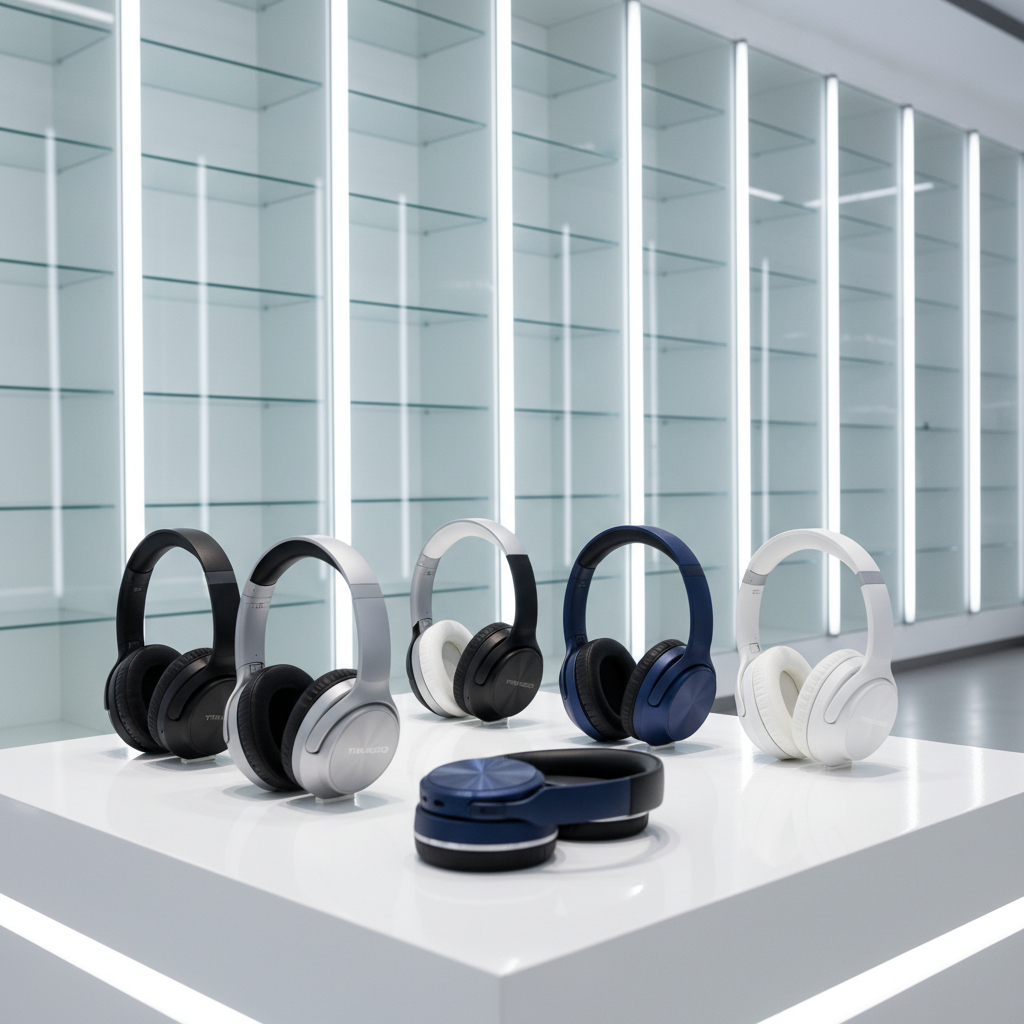
Bluetooth headset manufacturers are at the forefront of a rapidly evolving audio technology landscape, driven by increasing demand for wireless communication and convenience. These companies design, develop, and produce a wide range of headsets, from basic models for calls to sophisticated devices featuring noise cancellation, voice assistance, and advanced connectivity. The global proliferation of smartphones and the rise of remote work have significantly fueled the growth of this industry, creating a dynamic and competitive market.
The impact of bluetooth headset manufacturers extends beyond personal convenience. Their products play crucial roles in professional settings – enabling hands-free communication for drivers, dispatchers, and field workers – and contribute to accessibility for individuals with hearing impairments. Understanding the intricacies of this industry, from its supply chains to its technological innovations, is increasingly important in today's interconnected world.
The significance of bluetooth headset manufacturers is further heightened by the constant pursuit of improved audio quality, extended battery life, and enhanced user experience. These manufacturers aren’t simply producing audio devices; they are shaping how we interact with technology and with each other, demanding continuous innovation and a commitment to meeting diverse consumer needs. The market continues to expand with new applications and demands.
The Evolution of bluetooth headset manufacturers
The history of bluetooth headset manufacturers is intricately linked to the development of wireless communication technologies. Early iterations were bulky and offered limited functionality, primarily focused on basic hands-free calling. Over time, advancements in Bluetooth technology, miniaturization of components, and breakthroughs in battery technology have driven dramatic improvements in headset design, performance, and features.
Initially, a few large electronics companies dominated the market. However, the rise of crowdfunding and readily accessible manufacturing have enabled a surge in smaller, specialized bluetooth headset manufacturers offering niche products and innovative designs, fostering greater competition and consumer choice.
Defining Bluetooth Headset Manufacturers
Bluetooth headset manufacturers are companies specializing in the design, production, and distribution of wireless audio devices that utilize Bluetooth technology to connect to smartphones, computers, and other compatible devices. These manufacturers encompass a diverse range of businesses, from large multinational corporations to smaller, specialized brands focusing on specific market segments like gaming, sports, or professional communication.
These companies aren’t just assemblers; they often invest heavily in research and development to improve audio quality, noise cancellation capabilities, ergonomic design, and battery life. Their products are integral to modern communication, entertainment, and productivity, facilitating hands-free operation and enhanced audio experiences.
The term extends beyond simply making the headsets. Many bluetooth headset manufacturers also design the accompanying software, including mobile apps for customization and firmware updates, offering a complete ecosystem for their users.
Core Components of Successful Manufacturers
Successful bluetooth headset manufacturers prioritize several core components. First, a robust supply chain management system is essential to ensure consistent access to high-quality components at competitive prices. This involves sourcing everything from Bluetooth chips and acoustic drivers to plastic housings and packaging materials.
Second, a strong emphasis on research and development (R&D) is critical for innovation and maintaining a competitive edge. This includes investing in new technologies like improved noise cancellation algorithms, enhanced voice assistants, and more efficient power management systems.
Third, effective quality control processes are paramount to ensure product reliability and customer satisfaction. This encompasses rigorous testing throughout the manufacturing process, from component inspection to final product validation. Finally, efficient distribution networks and a responsive customer service team are crucial for delivering a positive customer experience.
These elements create a virtuous cycle: high-quality products lead to customer satisfaction, which drives brand loyalty and repeat business, ultimately fueling further investment in R&D and innovation.
Key Performance Indicators of bluetooth headset manufacturers
Evaluating the performance of bluetooth headset manufacturers necessitates tracking several key performance indicators (KPIs). Return on Investment (ROI) on R&D spending is crucial, measuring the profitability generated from new product innovations. Another vital metric is Customer Acquisition Cost (CAC), reflecting the expense of gaining each new customer.
Market share is a broad indicator, showcasing a manufacturer's position relative to competitors. However, more nuanced metrics like Net Promoter Score (NPS) – measuring customer loyalty – and defect rates offer deeper insights into product quality and customer satisfaction.
KPI Comparison Among Leading bluetooth headset manufacturers
Global Applications and Industry Impact
The applications of bluetooth headset manufacturers' products are incredibly diverse. In the customer service industry, call centers increasingly rely on headsets to improve agent efficiency and call quality. Within transportation, headsets are vital for truck drivers, airline pilots, and dispatchers, ensuring hands-free communication and enhanced safety.
The healthcare sector benefits from bluetooth headsets allowing medical professionals to communicate efficiently while maintaining sterility and focus on patient care. The gaming industry also represents a significant market, with specialized gaming headsets offering immersive audio and clear communication capabilities.
Advantages and Future Growth Potential
The advantages of utilizing products from bluetooth headset manufacturers are multifold. The convenience of hands-free communication boosts productivity and safety across various industries. The wireless nature of these devices provides greater mobility and flexibility. The increasing affordability of bluetooth technology makes these products accessible to a wider range of consumers.
Future growth potential is substantial, driven by emerging technologies like spatial audio, advanced noise cancellation, and integration with virtual assistants. The expanding metaverse and augmented reality (AR) applications will likely create further demand for high-quality, immersive audio experiences facilitated by these manufacturers.
Sustainable manufacturing practices and the use of eco-friendly materials are becoming increasingly important, presenting opportunities for manufacturers to differentiate themselves and appeal to environmentally conscious consumers.
Navigating Challenges in the bluetooth headset manufacturers Landscape
Despite the positive outlook, bluetooth headset manufacturers face several challenges. Intense competition drives down profit margins and requires constant innovation. Supply chain disruptions, as experienced during the global pandemic, can significantly impact production and delivery timelines.
Counterfeit products pose a threat to brand reputation and consumer safety. Maintaining data security and privacy in connected devices is also paramount, demanding robust cybersecurity measures. The evolving regulatory landscape, particularly regarding radio frequency emissions and environmental standards, requires continuous compliance efforts.
Addressing these challenges requires manufacturers to invest in resilient supply chains, strengthen intellectual property protection, prioritize cybersecurity, and proactively adapt to changing regulations. Collaboration and standardization within the industry can also foster innovation and address common challenges.
Summary of Key Challenges and Mitigation Strategies for bluetooth headset manufacturers
| Challenge |
Impact on Business |
Mitigation Strategy |
Implementation Cost (1-10) |
| Intense Competition |
Reduced Profit Margins |
Focus on Niche Markets & Innovation |
6 |
| Supply Chain Disruptions |
Production Delays & Increased Costs |
Diversify Suppliers & Build Inventory |
8 |
| Counterfeit Products |
Damage to Brand Reputation |
Strengthen IP Protection & Online Monitoring |
7 |
| Data Security & Privacy |
Loss of Customer Trust & Legal Liabilities |
Implement Robust Cybersecurity Measures |
9 |
| Evolving Regulations |
Compliance Costs & Potential Penalties |
Proactive Monitoring & Adaptation |
5 |
| Rapid Technological Change |
Product Obsolescence |
Continuous R&D & Agile Development |
7 |
FAQS
Leading bluetooth headset manufacturers typically excel in several key areas: innovative technology (like noise cancellation or spatial audio), superior audio quality, comfortable ergonomic design, robust build quality, a strong brand reputation, and excellent customer support. They also often demonstrate a commitment to sustainability and responsible manufacturing practices.
Battery life is a critically important factor for consumers. Longer battery life provides greater convenience and reduces the need for frequent charging. Manufacturers are continuously striving to improve battery efficiency through advancements in battery technology and power management algorithms. Quick charging capabilities are also highly desirable.
Noise cancellation technology has become a major differentiator in the bluetooth headset market. Active Noise Cancellation (ANC) significantly reduces ambient noise, providing a more immersive and focused listening experience. It's particularly valued in noisy environments like airplanes, offices, and public transportation.
Many bluetooth headset manufacturers are now focusing on sustainability by utilizing recycled materials in their products and packaging, reducing waste in their manufacturing processes, and designing products for longer lifespans and easier repair. Some are also implementing take-back programs for responsible disposal of old headsets.
The metaverse is expected to significantly impact bluetooth headset manufacturers. The demand for high-fidelity audio and immersive experiences within virtual worlds will drive innovation in headset technology, potentially leading to new features like spatial audio, realistic soundscapes, and integrated virtual assistant capabilities.
Common certifications include Bluetooth SIG certification to ensure interoperability, FCC certification for radio frequency emissions, CE marking for European safety standards, and RoHS compliance for restrictions on hazardous substances. Some manufacturers also pursue certifications related to ergonomic design or audio quality.
Conclusion
In conclusion, bluetooth headset manufacturers are a vital component of the modern technology landscape, driving innovation in wireless audio and communication. From humble beginnings, the industry has evolved to offer sophisticated devices catering to diverse needs, impacting everything from personal convenience to professional productivity. The commitment to R&D, supply chain management, and quality control remains crucial for success.
Looking ahead, the future of bluetooth headset manufacturers is bright, fueled by emerging technologies like spatial audio, the metaverse, and a growing emphasis on sustainability. Those manufacturers who prioritize innovation, customer satisfaction, and responsible manufacturing practices will be best positioned to thrive in this dynamic and competitive market. To explore the latest innovations in bluetooth technology, visit our website: bluetooth headset manufacturers.