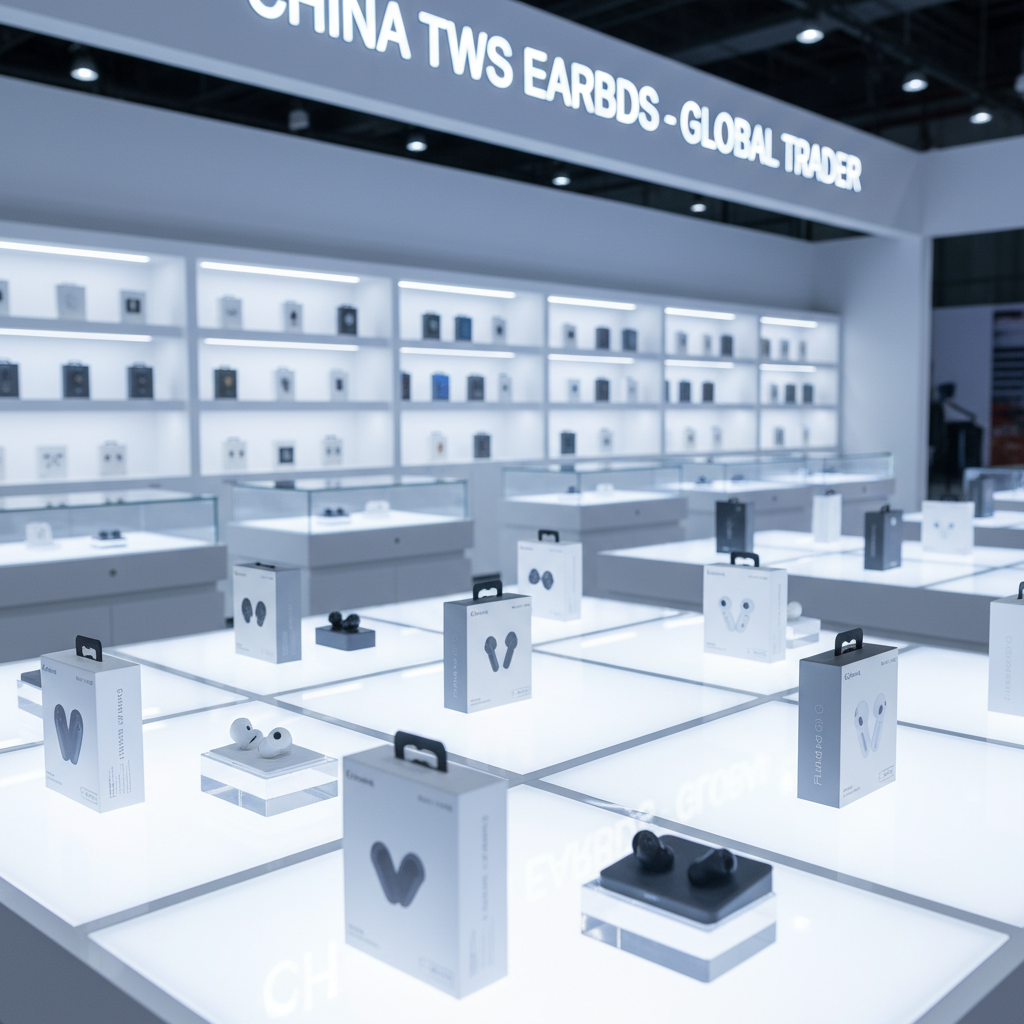
Selecting a reliable vape manufacturer is no longer just about finding a factory that can produce a device, but about identifying a strategic partner capable of navigating the complex intersection of hardware innovation and regulatory compliance. For entrepreneurs and wholesalers, the ability to source high-performance products that offer consistent flavor delivery and battery longevity is the primary driver of market competitiveness.
The modern vaping landscape is shifting toward high-capacity, disposable solutions and sophisticated e-liquid delivery systems. This evolution requires manufacturing partners who prioritize material quality and cost-effectiveness, ensuring that the final product maintains a premium feel without eroding the reseller's profit margins.
Whether you are venturing into the electronic cigarette market for the first time or optimizing an existing supply chain, understanding the operational benchmarks of a top-tier production partner is essential for achieving sustainable financial growth and brand loyalty.

Critical Benchmarks for Evaluating Vape Hardware Production

When assessing a potential partner, the first point of analysis must be the balance between production scale and quality control. A professional manufacturer does not merely offer a catalog of items but provides a screened selection of cost-effective options where materials are optimized for the specific price point requested by the buyer.
Reliability in this industry is measured by the consistency of the heating element and the integrity of the e-liquid reservoir. Leakage remains one of the most significant pain points for end-users; therefore, a manufacturer's ability to implement rigorous pressure testing and seal verification is a non-negotiable technical requirement.
Furthermore, the logistical infrastructure—such as maintaining strategic warehouses in key regions like California, New Jersey, Florida, Germany, Poland, and France—demonstrates a manufacturer's commitment to reducing lead times and supporting the rapid inventory turnover required by modern resellers.
Technical Architecture of High-Capacity Vaping Devices
The engineering of devices like the Blaze 15000 exemplifies the current industry trend toward extreme capacity and user customization. By integrating a massive 15,000-puff reservoir with a robust battery system, the technical goal is to minimize the replacement cycle while maximizing flavor density through precise airflow management.
Adjustable airflow settings allow the user to toggle between a tight, cigarette-like draw and a loose, cloud-focused experience. This versatility is achieved through calibrated intake vents that regulate the volume of vapor entering the chamber, directly impacting the perceived intensity of the flavor profile.
From a safety perspective, the integration of multiple protective circuits—preventing overcharging and short-circuiting—is critical. These hardware-level safeguards ensure that high-capacity batteries remain stable throughout their entire discharge cycle, protecting the consumer and the brand reputation of the reseller.
Commercial Application Scenarios for Disposable Systems
Disposable electronic cigarettes serve diverse market segments, from the casual user seeking convenience to the experienced vaper transitioning away from traditional tobacco. The versatility of flavor profiles—ranging from classic tobacco and refreshing menthol to exotic fruit fusions—allows resellers to target a broad demographic spectrum.
In the B2B context, these products are frequently deployed in high-turnover retail environments where "hot products" are rotated based on seasonal flavor trends. The portable, lightweight design makes them ideal for "on-the-go" consumption, which drives high impulse-purchase rates in convenience stores and specialized vape shops.
Moreover, for entrepreneurs focusing on financial freedom through reselling, high-puff count devices provide a superior value proposition. By offering a product that lasts longer, the seller can justify a premium price point while the customer perceives a lower cost-per-puff, creating a win-win economic scenario.
Quantifying Production Efficiency and Device Reliability
Evaluating the performance of a manufacturer requires looking beyond the brochure and analyzing actual yield rates and battery efficiency. The industry benchmark for high-capacity disposables focuses on the ratio of actual puffs delivered versus the advertised capacity, as well as the stability of vapor output over time.
When utilizing an optimized supply chain, the reduction in defective units and the improvement in shipping speed directly correlate to higher profit margins. The following metrics illustrate the typical performance delta when moving from a generic supplier to a specialized, quality-screened production partner.
vape manufacturer Performance Metrics
The data suggests that precise material selection and warehouse localization significantly enhance the reliability of the supply chain, reducing the risk of inventory gaps and improving the overall customer satisfaction rate for the end-user.
Strategic Procurement Framework for Global Resellers
Effective procurement in the electronic cigarette sector requires a shift from "lowest price" to "best value." This involves assessing the manufacturer's ability to provide 1:1 high-quality products that can compete in luxury or high-end markets without compromising on safety or performance.
Resellers should prioritize partners who offer comprehensive support, including fast transportation and local warehousing. Having stock available in New Jersey or Germany, for instance, allows a business to respond to market spikes in real-time, preventing lost sales to competitors with better logistics.
Furthermore, a critical part of the procurement process is verifying the supplier's screening process. A manufacturer that has screened countless options to find the most cost-effective materials ensures that the buyer receives a product with the best possible build quality for the target price point.
Future Trajectories in E-Cigarette Material Innovation
The next phase of vaping hardware is likely to focus on sustainable materials and even higher energy density batteries. We may see a transition toward biodegradable components in disposable devices to address environmental concerns while maintaining the convenience users demand.
Technological integration could also evolve, with smarter chips providing real-time e-liquid level monitoring or precise temperature control to eliminate the "burnt taste" often associated with the end of a device's lifecycle. These innovations depend on the manufacturer's R&D capacity to update product lines rapidly.
Additionally, the diversification of e-liquid delivery systems, including new mesh coil geometries, is expected to enhance flavor purity. Manufacturers who constantly update their product portfolios will be better positioned to lead the market as consumer preferences shift toward more authentic taste profiles.
Comparative Analysis of Manufacturing Sourcing Models
Choosing between different sourcing models depends on the buyer's risk appetite and growth stage. While some prefer small-batch sampling, established entrepreneurs often seek high-volume partnerships with integrated logistics to maximize their return on investment (ROI).
The following table compares the operational impacts of different manufacturing approaches to help procurement officers determine the most suitable model for their current business scale.
| Sourcing Model | Inventory Risk | Delivery Lead Time | Profit Margin Potential |
|---|---|---|---|
| Direct Factory (Small) | Medium | Long | High (Unit Cost) |
| Wholesale Distributor | Low | Short | Low (Markup) |
| Integrated Manufacturer | Low | Very Short | Very High |
| Custom OEM Order | High | Very Long | Medium |
| Local Stock Partner | Very Low | Immediate | Medium |
| Hybrid Sourcing | Medium | Medium | High |
Ultimately, the integration of quality screening, diverse product offerings (including consumer electronics and beauty), and strategic regional warehousing represents the most stable path for those aiming for long-term financial independence in the trade sector.
Frequently Asked Questions
Conclusion
Success in the competitive vaping market is predicated on the synergy between hardware reliability and logistical efficiency. By focusing on manufacturers that prioritize material quality and strategic regional warehousing, entrepreneurs can minimize operational risks and maximize their profit margins.
For those evaluating current sourcing options and seeking a partner committed to mutual financial growth, detailed product and company information is available through www.sxzpods.com.