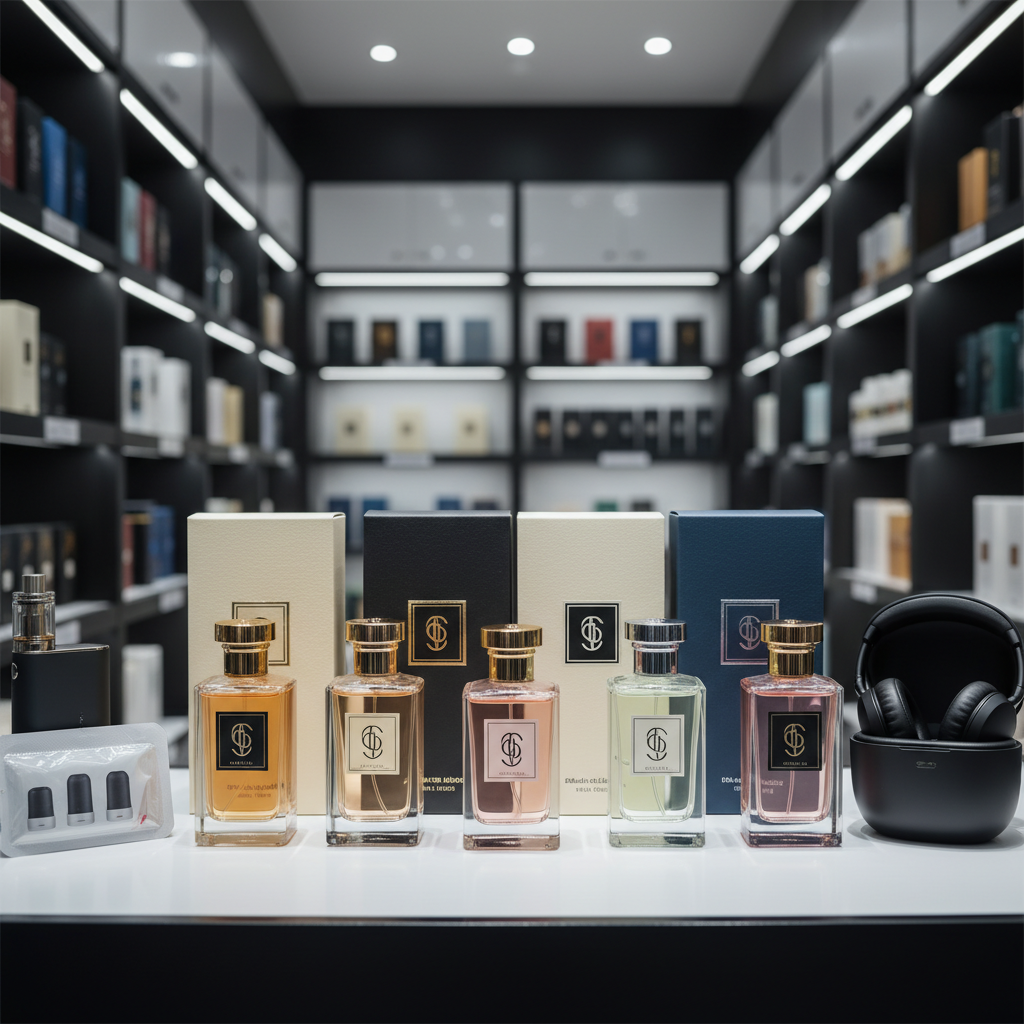
Perfume wholesale isn't just about moving bottles; it's a complex logistical operation impacting industries globally. From sourcing raw materials like essential oils and aroma chemicals to packaging, distribution, and ultimately, reaching the consumer, the scale is massive. The global fragrance market is a multi-billion dollar industry, with a significant portion relying on wholesale channels. Understanding these channels is crucial for both manufacturers looking to expand their reach and retailers aiming for competitive pricing. It’s a fast-paced world, and staying ahead requires a firm grasp of supply chain dynamics and market trends.
This isn’t a luxury item market anymore; it’s a volume business. We’re seeing shifts in consumer preferences – a demand for niche fragrances, sustainable sourcing, and personalized experiences. Wholesale operations need to be agile enough to respond to these changes. The rise of e-commerce has also fundamentally altered the landscape, creating new opportunities and challenges for wholesale distributors. Getting product to market quickly and efficiently is the name of the game.
Simply put, perfume wholesale acts as the bridge connecting fragrance houses and brands with retailers. It’s the engine that drives availability and affordability. A robust wholesale network ensures a constant supply of scents, allowing consumers around the world to indulge in their favorite fragrances. Without it, the industry simply wouldn’t function at its current capacity.
The Fundamentals of perfume wholesale
At its core, perfume wholesale is about volume. We’re talking about moving large quantities of finished fragrance products – or sometimes even the raw materials to those who finish them – to retailers, distributors, and other businesses. This differs significantly from direct-to-consumer sales, requiring a different set of skills and infrastructure. It’s not about selling to the end user, but enabling others to do so.
The successful perfume wholesale operation is built on strong relationships. You need to cultivate trust with both your suppliers – the fragrance houses – and your customers – the retailers. That means consistent quality, reliable delivery, and competitive pricing. No one wants to work with a supplier who can’t deliver on their promises.
Defining perfume wholesale in the Modern Market
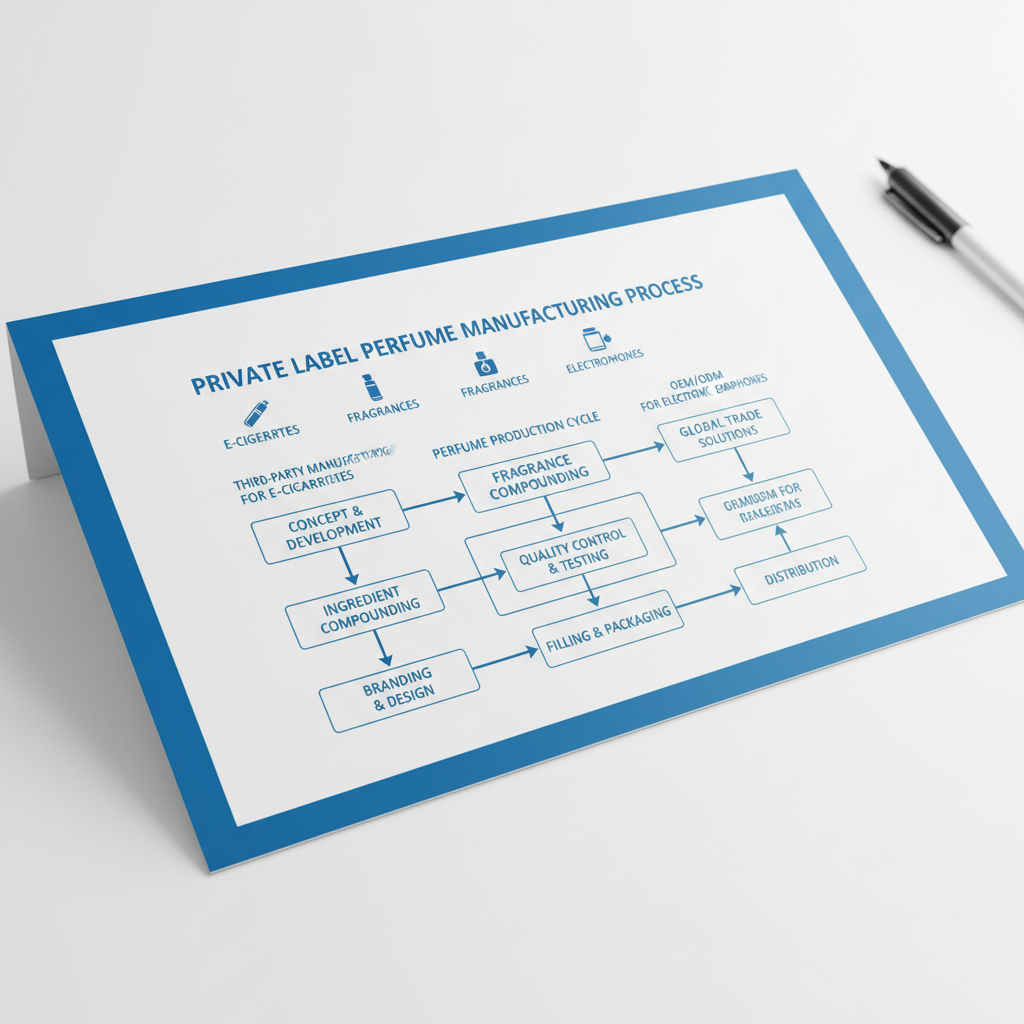
Perfume wholesale in the modern market is evolving beyond simply acting as a middleman. It now encompasses value-added services such as customized packaging, private label manufacturing, and even marketing support. Retailers, especially smaller boutiques, often lack the resources to handle these aspects in-house, so they rely on wholesalers to provide a complete solution.
We're also seeing the rise of specialized wholesalers – those focusing on niche fragrances, organic perfumes, or specific geographical regions. This allows them to develop deep expertise and cater to a more targeted audience. It’s about being more than just a supplier; it’s about being a strategic partner.
This connection extends to ensuring compliance with international regulations regarding fragrance ingredients, labeling, and import/export procedures. It's a critical aspect of modern perfume wholesale, ensuring the smooth and legal flow of goods across borders.
Key Components of Successful perfume wholesale
Cost Efficiency: Margins in perfume wholesale are often tight, so keeping costs down is paramount. This involves optimizing logistics, negotiating favorable pricing with suppliers, and streamlining internal processes. Every penny counts.
Supply Chain Management: A robust and reliable supply chain is the backbone of any successful wholesale operation. This includes sourcing high-quality ingredients, managing inventory levels, and ensuring timely delivery. Think of it like building a strong foundation for a house; if it’s shaky, the whole structure will suffer.
Quality Control: Maintaining consistent product quality is non-negotiable. This requires rigorous testing of both raw materials and finished products, as well as adherence to industry standards. Reputation is everything in this business.
Global Applications of perfume wholesale
Perfume wholesale impacts a truly global market. You see its effects in bustling retail districts of major cities like Paris and New York, but also in emerging markets like China and India where the demand for fragrance is rapidly increasing. The distribution networks are complex, often involving multiple layers of wholesalers and distributors.
In Europe, wholesalers often serve as a key link between French and Italian fragrance houses and retailers across the continent. In the Americas, we're seeing a growing demand for niche and indie fragrances, leading to the rise of specialized wholesalers catering to this segment.
Comparative Analysis of perfume wholesale Methods
Advantages and Long-Term Value of perfume wholesale
One of the biggest advantages is scalability. A well-established wholesale network allows brands to rapidly expand their reach without needing to invest heavily in direct sales infrastructure. This is especially crucial for smaller fragrance houses looking to break into new markets.
Long-term, perfume wholesale fosters strong industry relationships. These relationships translate into greater stability, access to new opportunities, and a deeper understanding of market trends. It’s about building a sustainable ecosystem, not just making a quick buck.
Future Trends Shaping perfume wholesale
We’re going to see a greater emphasis on sustainability. Consumers are increasingly demanding ethically sourced ingredients and eco-friendly packaging. Wholesalers will need to adapt by partnering with suppliers who share these values. It's not just a trend; it's a fundamental shift in consumer expectations.
Digitalization is another key trend. Online wholesale marketplaces are becoming increasingly popular, offering greater transparency and efficiency. We'll also see more use of data analytics to optimize inventory management and forecasting.
Personalization will become even more important. Consumers want fragrances tailored to their individual preferences. Wholesalers will need to offer customized solutions, such as private label manufacturing and small-batch production.
Challenges and Solutions in perfume wholesale
One of the biggest challenges is dealing with counterfeiting. The fragrance industry is particularly vulnerable to fake products, which can damage brand reputation and erode consumer trust. The solution lies in implementing robust authentication measures and working closely with customs officials.
Another challenge is navigating complex regulations. Different countries have different rules regarding fragrance ingredients, labeling, and import/export procedures. Wholesalers need to invest in compliance expertise to ensure they’re operating legally.
Finally, managing supply chain disruptions is a constant concern. Geopolitical events, natural disasters, and even pandemics can all disrupt the flow of goods. The solution is to diversify your supply base and build contingency plans.
Overview of Key Challenges and Mitigation Strategies in perfume wholesale
| Challenge Area |
Impact on Operations |
Mitigation Strategy |
Implementation Difficulty (1-5) |
| Counterfeit Products |
Brand Damage, Revenue Loss |
Enhanced Authentication, Customs Collaboration |
4 |
| Regulatory Compliance |
Legal Issues, Delays |
Dedicated Compliance Team, Legal Counsel |
3 |
| Supply Chain Disruptions |
Inventory Shortages, Increased Costs |
Diversified Suppliers, Contingency Planning |
3 |
| Inventory Management |
Holding Costs, Obsolescence |
Demand Forecasting, Just-in-Time Inventory |
2 |
| Logistics & Transportation |
Shipping Delays, Damage |
Strategic Partnerships with Carriers, Insurance |
3 |
| Market Volatility |
Fluctuating Demand, Price Changes |
Market Research, Flexible Pricing Strategies |
4 |
FAQS
Margins in perfume wholesale can vary significantly depending on factors like volume, brand exclusivity, and the level of service provided. Generally, you can expect margins in the range of 5-15%, but specialized wholesalers dealing with niche or luxury brands might achieve higher margins. It’s essential to carefully calculate all costs, including shipping, storage, and marketing, to ensure profitability. A thorough understanding of the market and your competitive landscape is key.
Private labeling allows retailers to sell fragrances under their own brand name. Wholesalers offering private labeling services handle the formulation, packaging, and sometimes even the marketing for the retailer. This is a growing trend, especially among boutiques looking to establish a unique brand identity. It requires a strong partnership with the wholesaler and careful quality control.
Logistics are critical. Fragrances are delicate products that require careful handling and temperature control. Delays or damage during shipping can result in significant losses. A robust logistics network, including reliable carriers and secure storage facilities, is essential. Proper insurance coverage is also vital. Investing in efficient logistics is a core component of successful perfume wholesale operations.
International perfume wholesale introduces complexities like import duties, taxes, and regulatory compliance. You'll need to understand the specific requirements of each country you're exporting to, including labeling regulations and ingredient restrictions. Currency exchange rates and political stability are also important considerations. Partnering with a customs broker can simplify the process.
E-commerce has dramatically altered the perfume wholesale landscape. Online wholesale marketplaces provide increased transparency and access to a wider range of suppliers and customers. It also creates new challenges, such as managing online orders efficiently and competing with other wholesalers. Wholesalers need to have a strong online presence and embrace digital marketing strategies.
Building strong relationships with fragrance houses requires consistent communication, reliable payment terms, and a genuine understanding of their brand values. Attending industry events, offering market insights, and demonstrating a commitment to quality can all help to foster trust and loyalty. Treat them as partners, not just suppliers.
Conclusion
In conclusion, perfume wholesale is a dynamic and multifaceted industry, essential for bringing fragrance to consumers worldwide. It's a business built on relationships, efficiency, and adaptability. From navigating complex supply chains to responding to evolving consumer preferences, success requires a deep understanding of the market and a commitment to quality.
Looking ahead, the future of perfume wholesale will be shaped by sustainability, digitalization, and personalization. Those who embrace these trends and prioritize customer satisfaction will be best positioned to thrive. For those looking to enter this market, due diligence, a robust business plan, and a strong network of partners are critical for long-term success. Visit our website at perfume wholesale to explore partnership opportunities.