

The world of types of floral scents in perfumes is vast and diverse, catering to a wide range of preferences. Floral scents are among the most beloved in the fragrance industry because they capture the natural beauty and elegance of flowers. Some of the most popular types of floral scents include rose, jasmine, lily of the valley, gardenia, peony, and violet. Each flower brings a unique aroma: rose often adds a rich, romantic depth; jasmine offers an intoxicating sweetness; lily of the valley is fresh and delicate; while gardenia provides a creamy, velvety softness. Beyond single-flower scents, many floral perfume blends combine several flowers to create complex bouquets that can range from powdery to fresh or even spicy. These scents are versatile, suitable for everyday wear, special occasions, or as signature perfumes. Whether you prefer a light flower scent perfume or a more intense floral bouquet, the variety of floral fragrance perfume options ensures there is something for everyone.
-
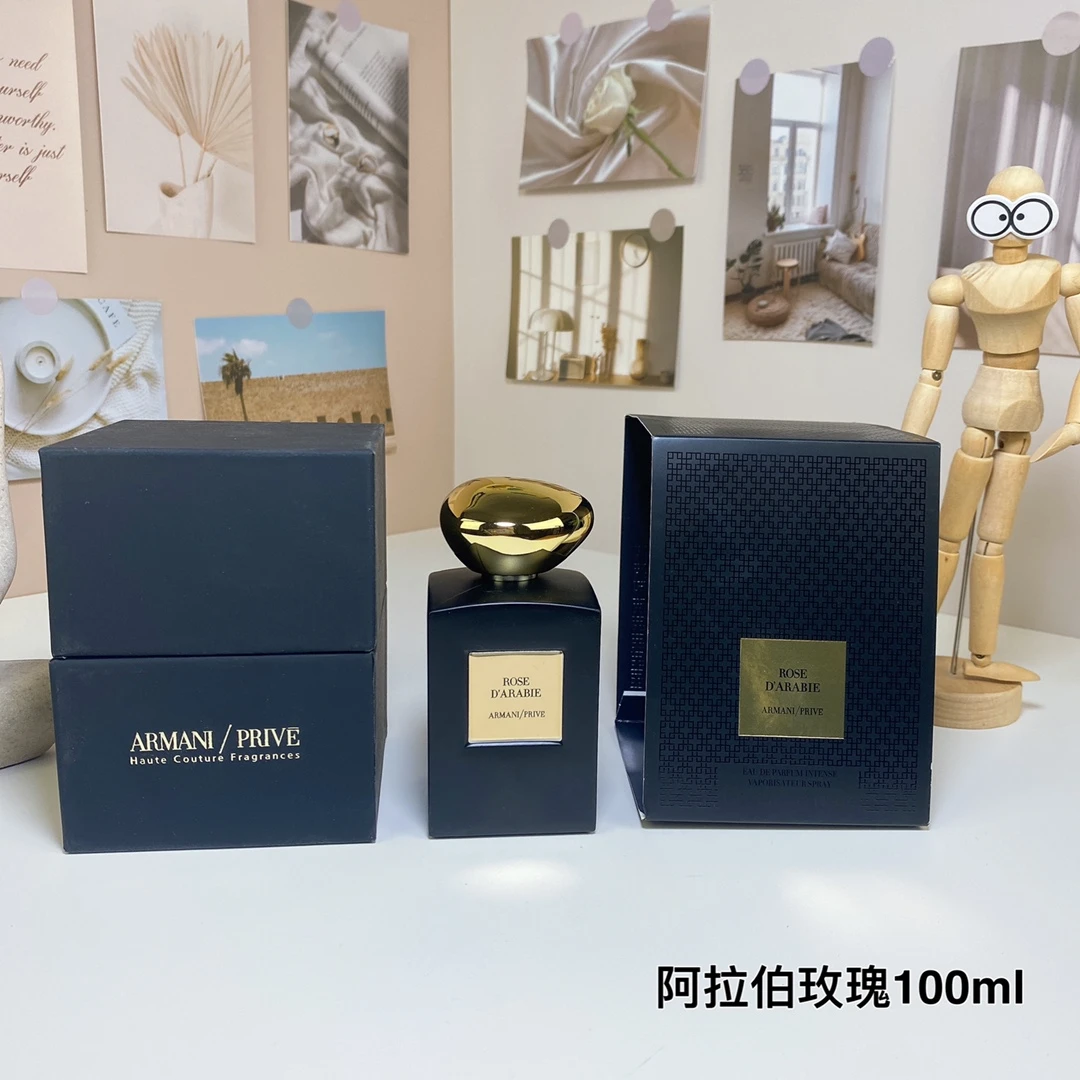
16 dola ameriken
Mak: ArmaniAtribi pafen net:
Pafen: Floral Oriental
Odè: Bwa agar woz (ebèn), vaniy santi bon
-
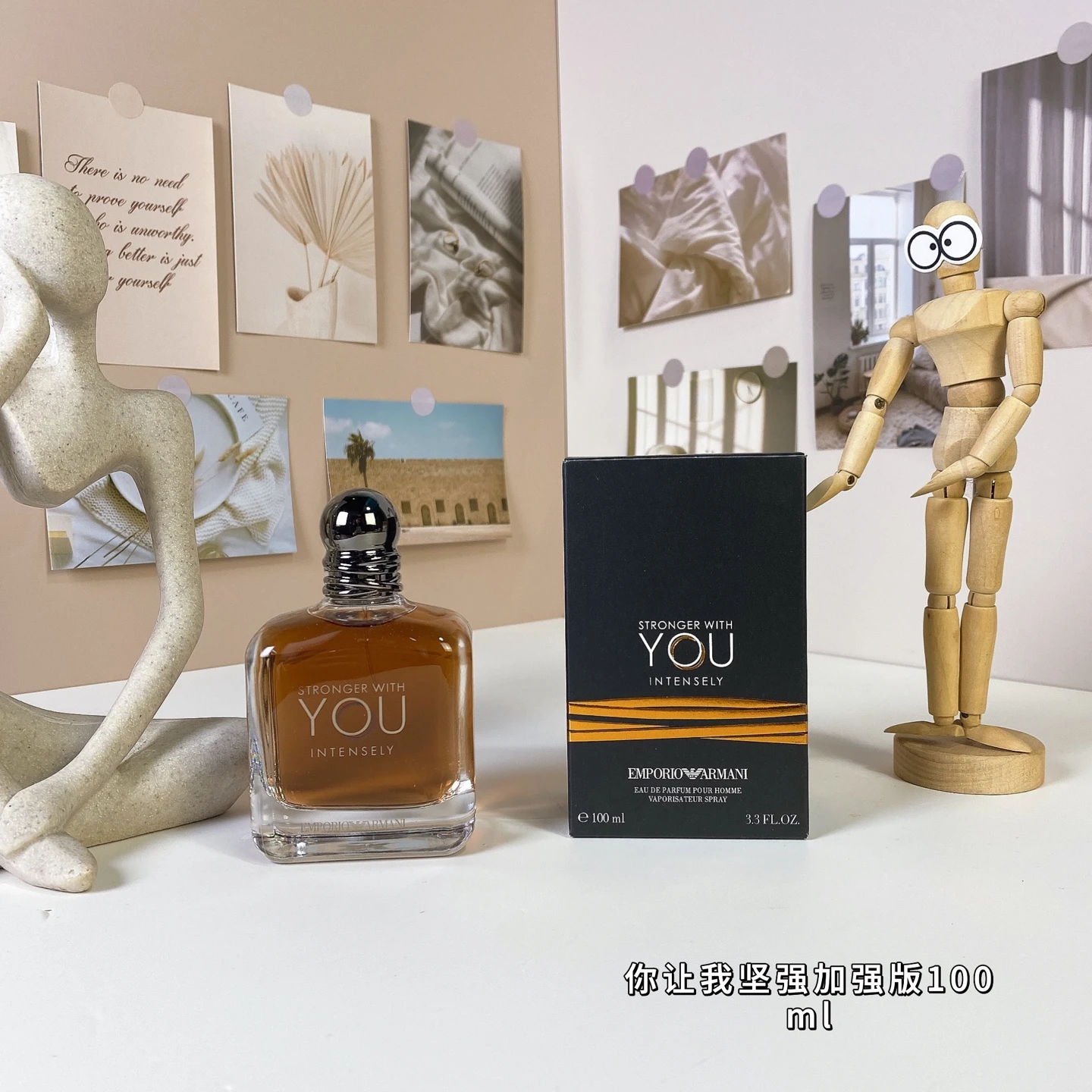
16 dola ameriken
Mak: ArmaniAtribi: Pafen Gason
Parfen: Gou rich ak inik nan Lès la
Nòt tèt: pwav woz, jenèv, vyolèt
Nòt mitan: karamèl, kannèl, lavand, saj
Nòt baz: vaniy Lingling Xiangdou kwi syèd anmè
-
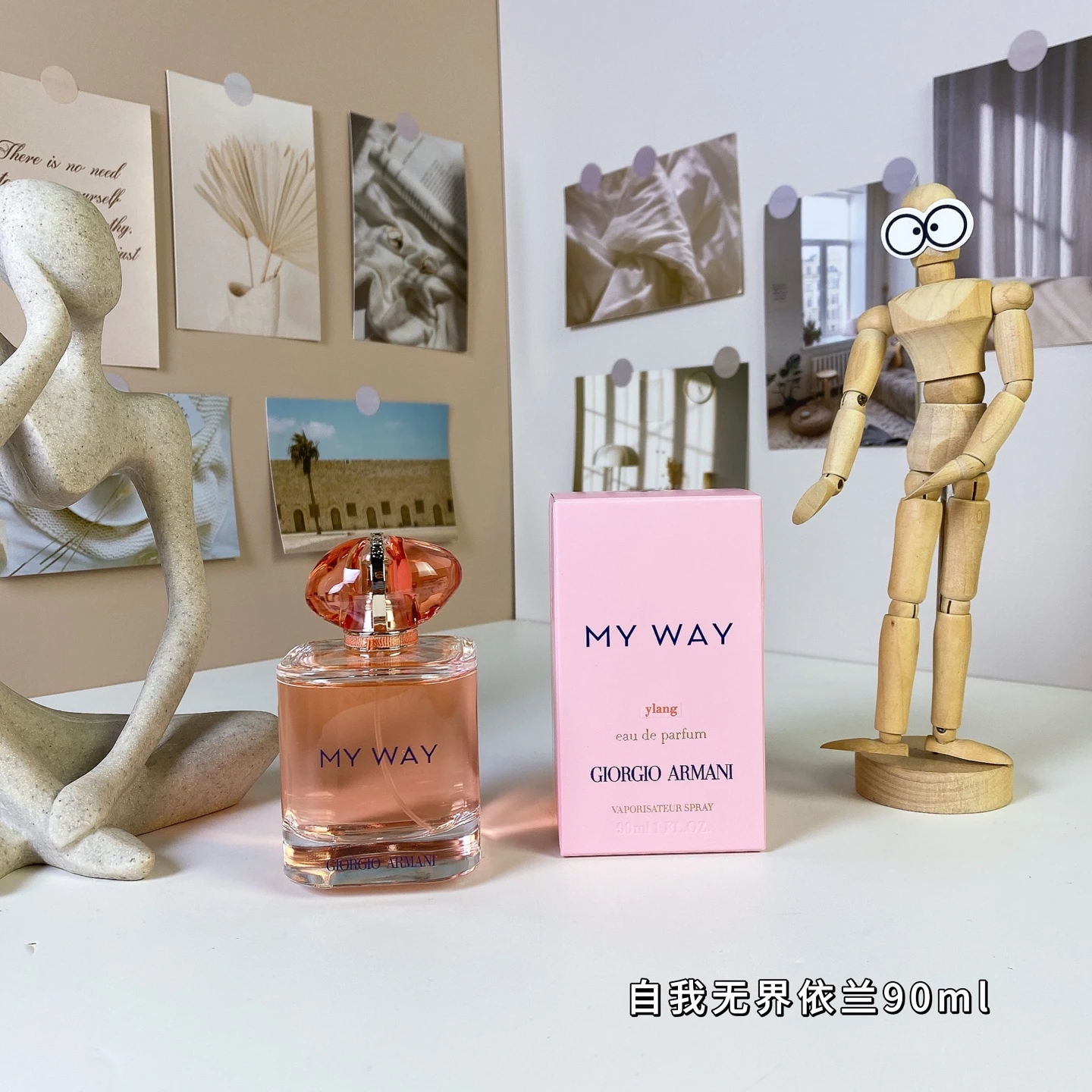
16 dola ameriken
Mak: ArmaniAtribi: Pafen pou fanm
Pafen: nòt fwi ak flè
Nòt tèt: mango, kokoye, flè zoranj, sitwon
Nòt mitan: Yilan tuberose
Nòt baz: misk vaniy sèd
-
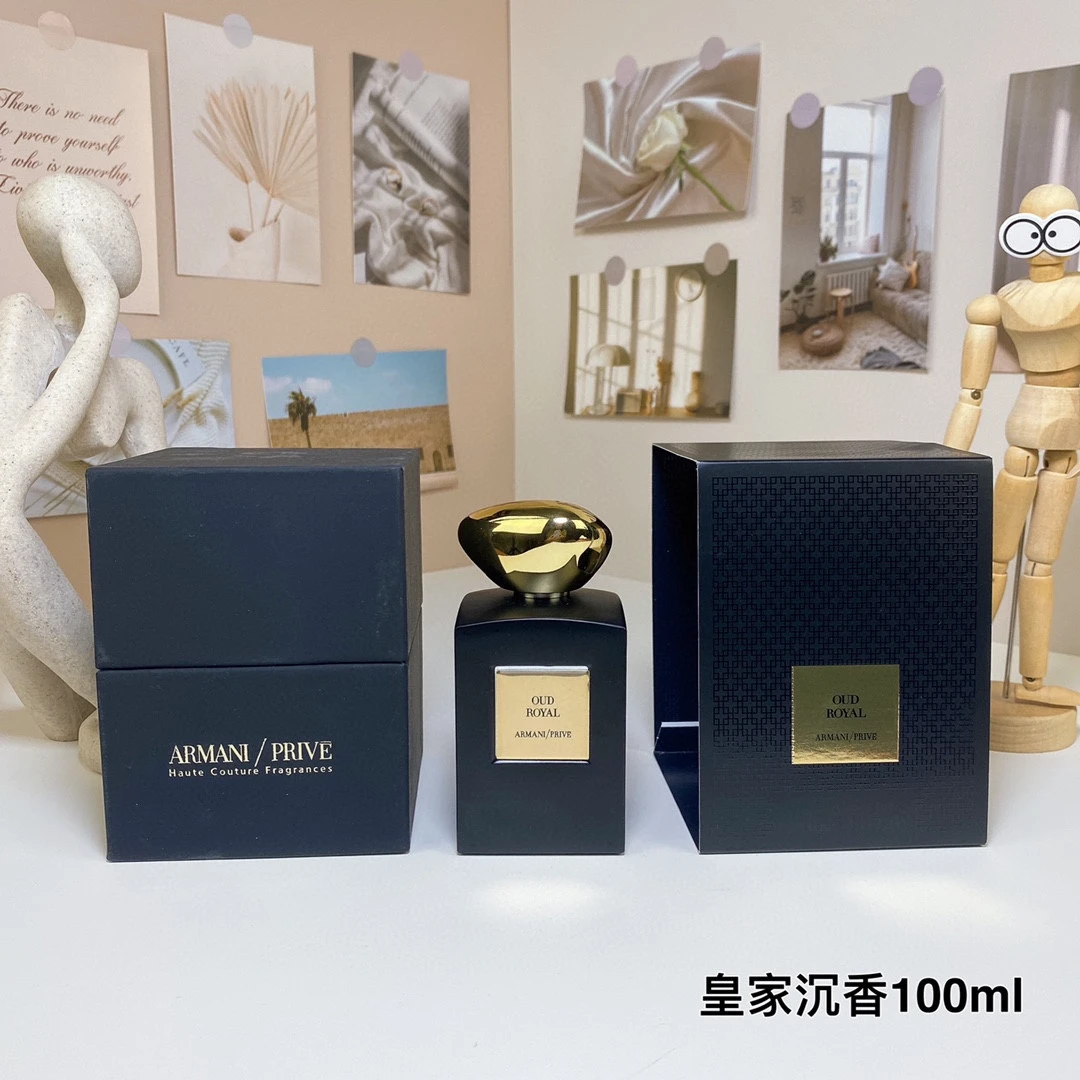
15 dola ameriken
Koleksyon Prive Armani 100m! Gou: Bwa agar wayal, Shama (misk sab frèt), 1378 Shao Pi lannwit, 2175 Anpi Mir, 5269 Kwi Oasis, 7312 Amber oryantal, 0995 Kwi lannwit, 7497 Wòz arab -
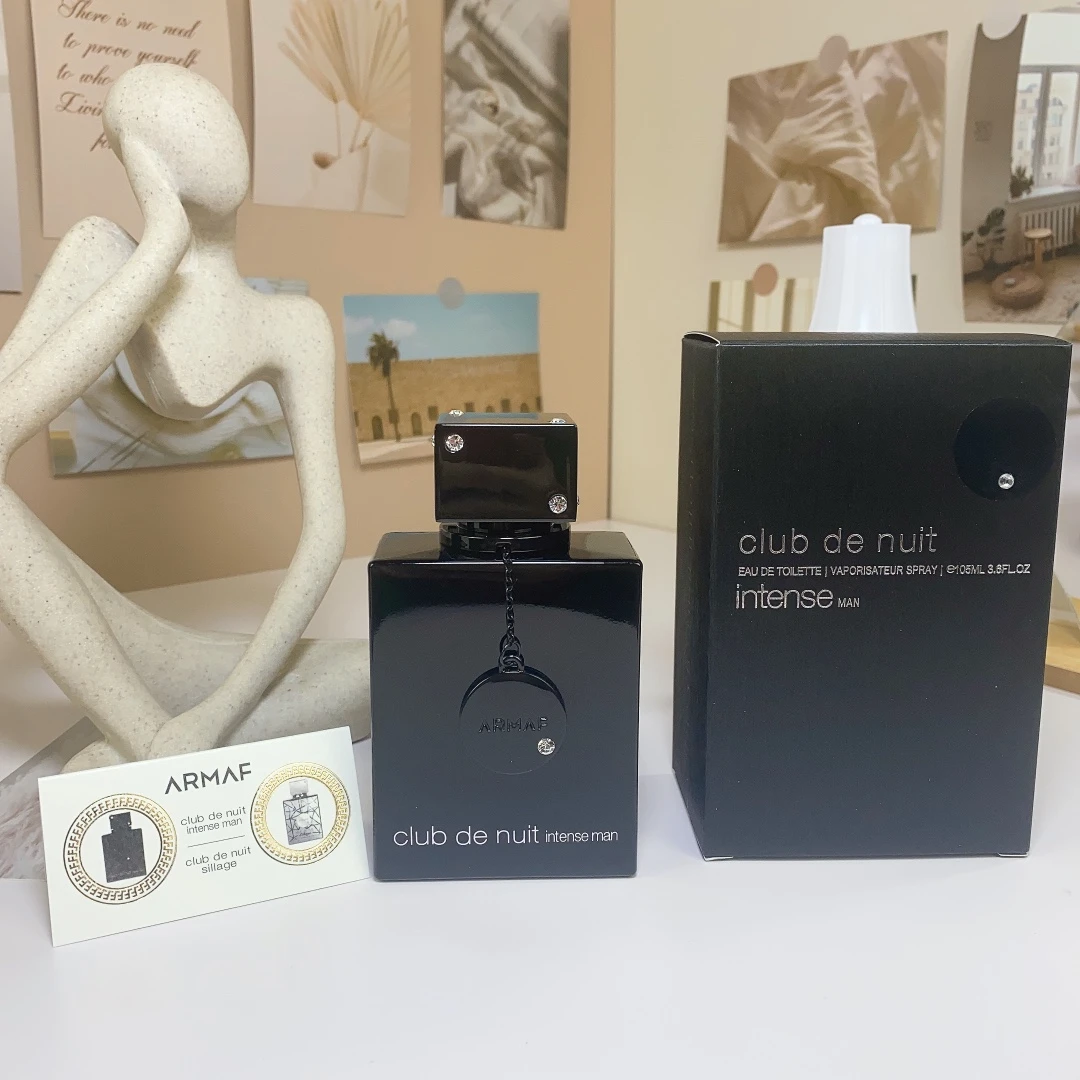
16 dola ameriken
Mak: ArmafParfen: Nòt bwa episé
Nòt tèt: sitwon, grozèy nwa, pòm, sitwon santi bon, anana
Nòt mitan: woz jasmen boulo
Nòt baz: vaniy amber, misk, patchouli
Atribi: Pafen Gason
Etikèt: Pafen fwi Citrus, Kui, Pafen bwa fimen
-
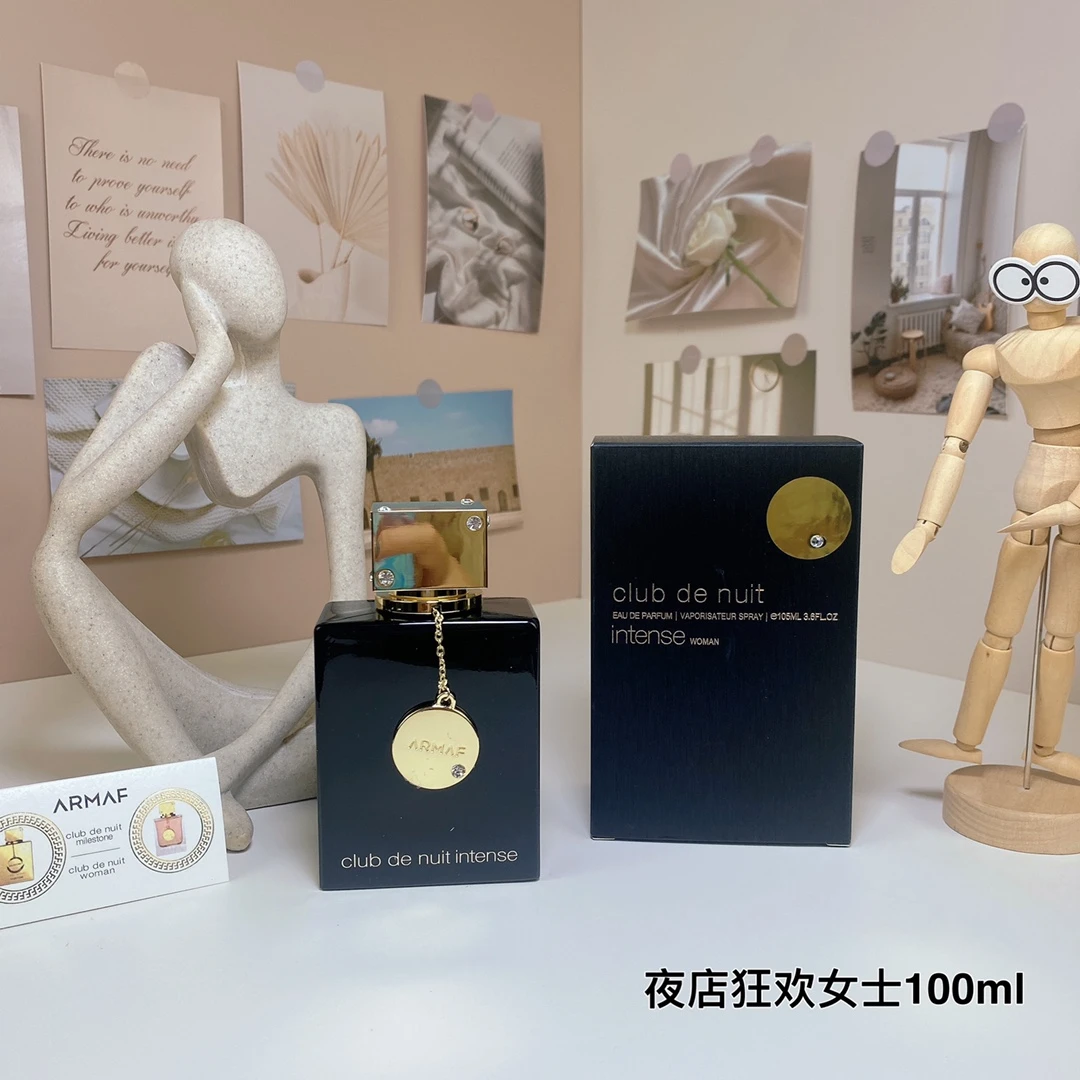
16 dola ameriken
Mak: ArmafAtribi: Pafen pou fanm
Pafen: Aroma floral, style oksidantal
Nòt tèt: woz safran Tianzhuling
Nòt mitan: miskad, pwav, vyolèt, grenn karawi
Nòt baz: patchouli, aloès (ebèn), anm
-
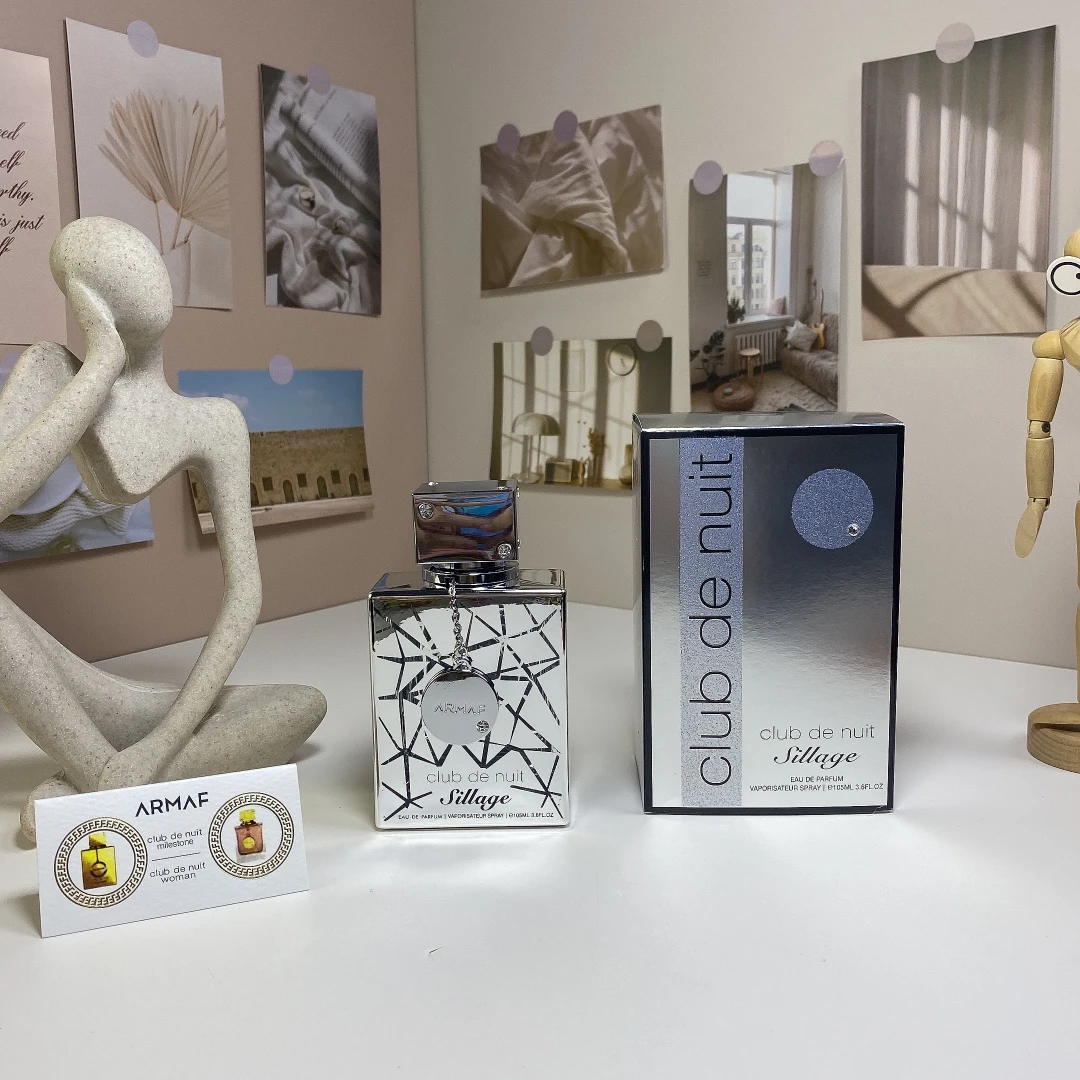
16 dola ameriken
Mak: ArmafAtribi: Parfen net
Pafen: pafen flè bwa
Nòt tèt: sitwon santi bon, grozèy nwa, sitwon vèt, fèy vyolèt, jenjanm
Nòt mitan: iris jasmen woz
Nòt baz: Krache dragon ki kalme, Etè, Misk, Bwa sandal, Sèd
-
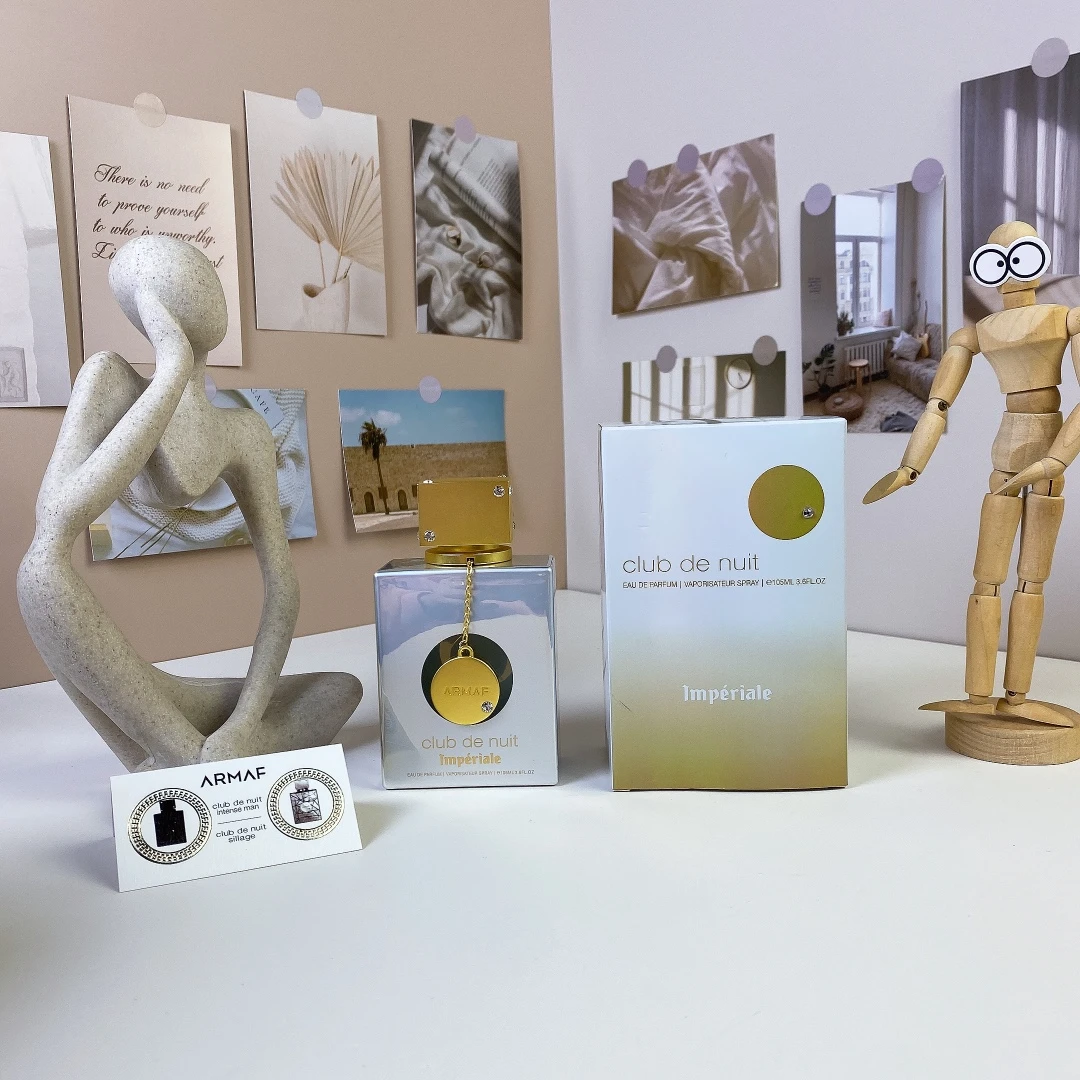
16 dola ameriken
Mak: ArmafAtribi: Pafen pou fanm
Nòt tèt: litchi, sitwon, miskad
Nòt mitan: vaniy woz, misk ak pyoni
Nòt baz: vaniy kachmir ketòn lansan sèd
-
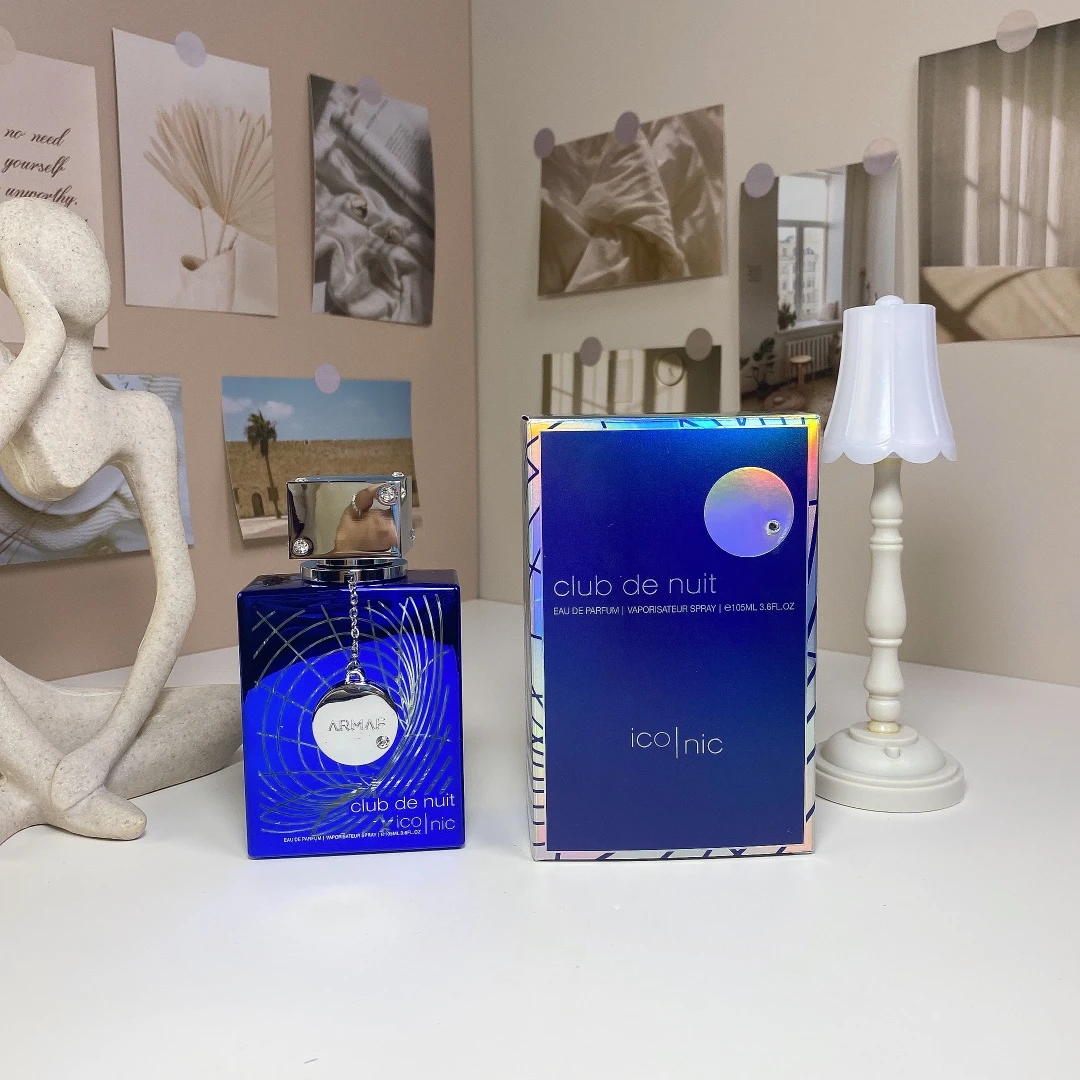
16 dola ameriken
Mak: ArmafAtribi: Pafen Gason
Nòt tèt: chadèk mant sitwon yuanling pwav woz
Nòt mitan: jenjanm, miskad, jasmen ak melon
Nòt baz: bwa santal, anm, lansan, bwa, sèd
Patchouli Laodan Grès
-
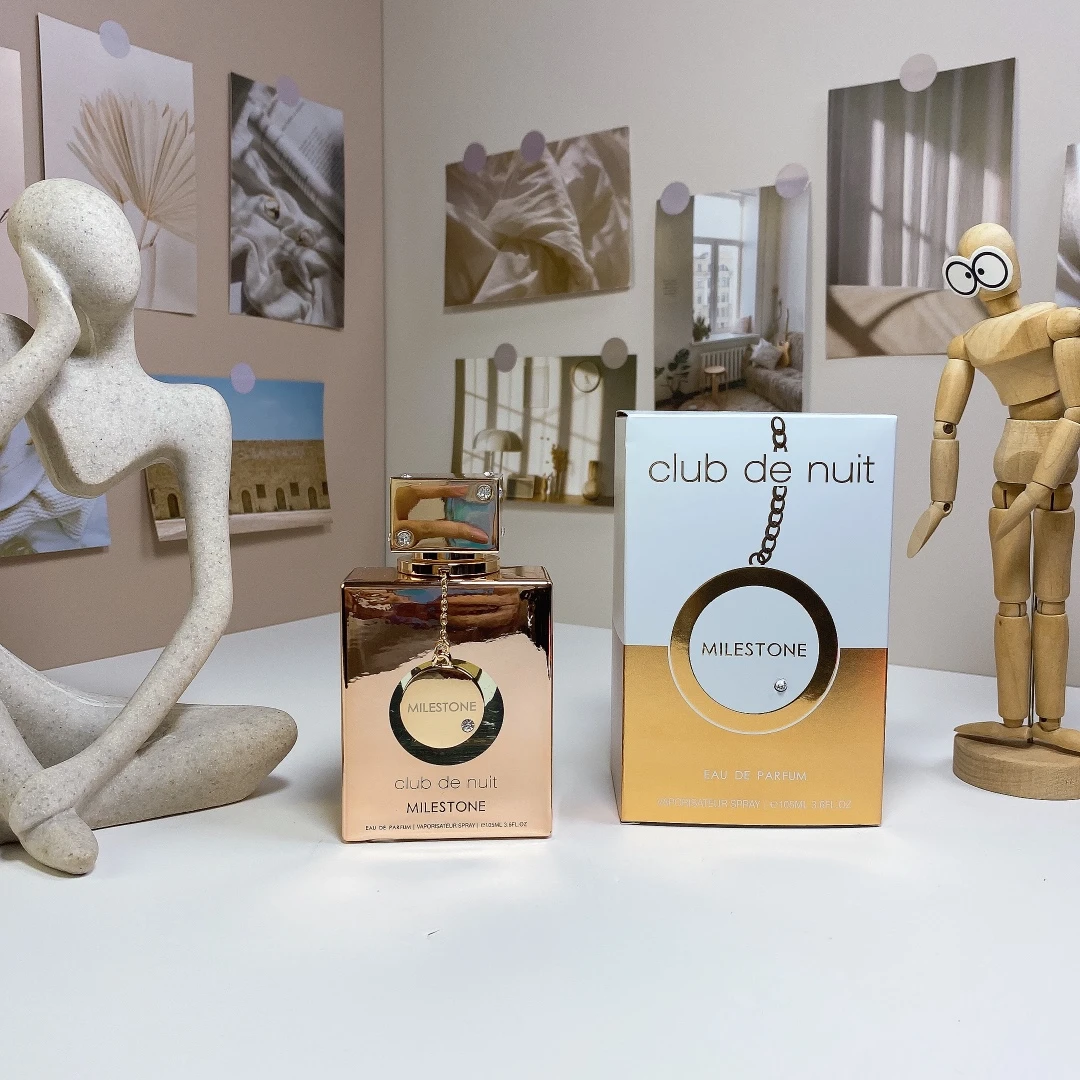
16 dola ameriken
Mak: ArmafAtribi: Parfen net
Pafen: nòt floral ak bwa
Nòt tèt: sitwon ak fwi wouj lanmè
Nòt mitan: bwa vyolèt, bwa santal
Nòt baz: Krache dragon ki kalme, Etè, Musk, Vetivè
How Is Floral Perfume Different From Other Fragrance Families?
Floral perfume is characterized primarily by the dominant presence of flower-derived notes. Unlike woody, oriental, or citrus perfumes, which focus on earthiness, warmth, or zest, floral perfume scents emphasize the softness, freshness, and romanticism associated with flowers. This category includes single-note florals that highlight one flower, as well as multi-floral compositions that mix several blossoms for a richer scent experience. The timeless appeal of floral parfum lies in its ability to evoke natural beauty and femininity, often considered classic and elegant. Florals can range from light and airy to heavy and opulent, making them adaptable to various moods and seasons. Compared to gourmand or spicy perfumes, floral fragrance perfume tends to be more subtle and approachable, which is why it remains popular among all ages and cultures. Many renowned perfume houses dedicate entire lines to floral perfume scents because they embody freshness and sophistication.
What Makes a Good Flower Scent Perfume for Everyday Use?
Choosing a good flower scent perfume for daily wear involves considering factors like scent longevity, intensity, and versatility. A well-balanced floral perfume for everyday use should be light enough to avoid overwhelming but still leave a pleasant, memorable impression. Popular choices often feature fresh blooms like jasmine, freesia, or peony, combined with clean base notes such as musk or soft woods to add depth without heaviness. The concentration—such as Eau de Toilette or Eau de Parfum—also influences wearability; lighter concentrations are generally preferred for daytime or office environments. Packaging that allows easy application and portability adds to convenience. A great floral fragrance perfume not only enhances personal confidence but also complements casual and formal attire seamlessly. For those who love the romantic allure of flowers but want practicality, exploring floral parfum options in sample sizes can help find the perfect balance before committing to a full bottle.
How Has the Popularity of Floral Parfum Evolved in Modern Perfumery?
Floral parfum has been a cornerstone of perfumery for centuries, evolving in style and complexity with changing tastes. Traditionally associated with femininity, romance, and elegance, floral parfum has expanded beyond classic single-flower notes into intricate bouquets that blend florals with fresh, woody, and even gourmand elements. Modern perfumers experiment by combining unexpected flowers or introducing synthetic accords to create innovative floral perfume scents that appeal to younger generations and unisex markets. The rise of sustainable and natural ingredient sourcing has also influenced floral parfum, encouraging more authentic and eco-friendly fragrances. Furthermore, the digital age and global access to fragrance trends have made floral fragrance perfume more diverse and accessible than ever before. Whether it’s a timeless rose scent or a daring mix of exotic blossoms, floral parfum remains a favorite for its ability to capture beauty and emotion in a bottle, continuously inspiring both consumers and creators worldwide.


