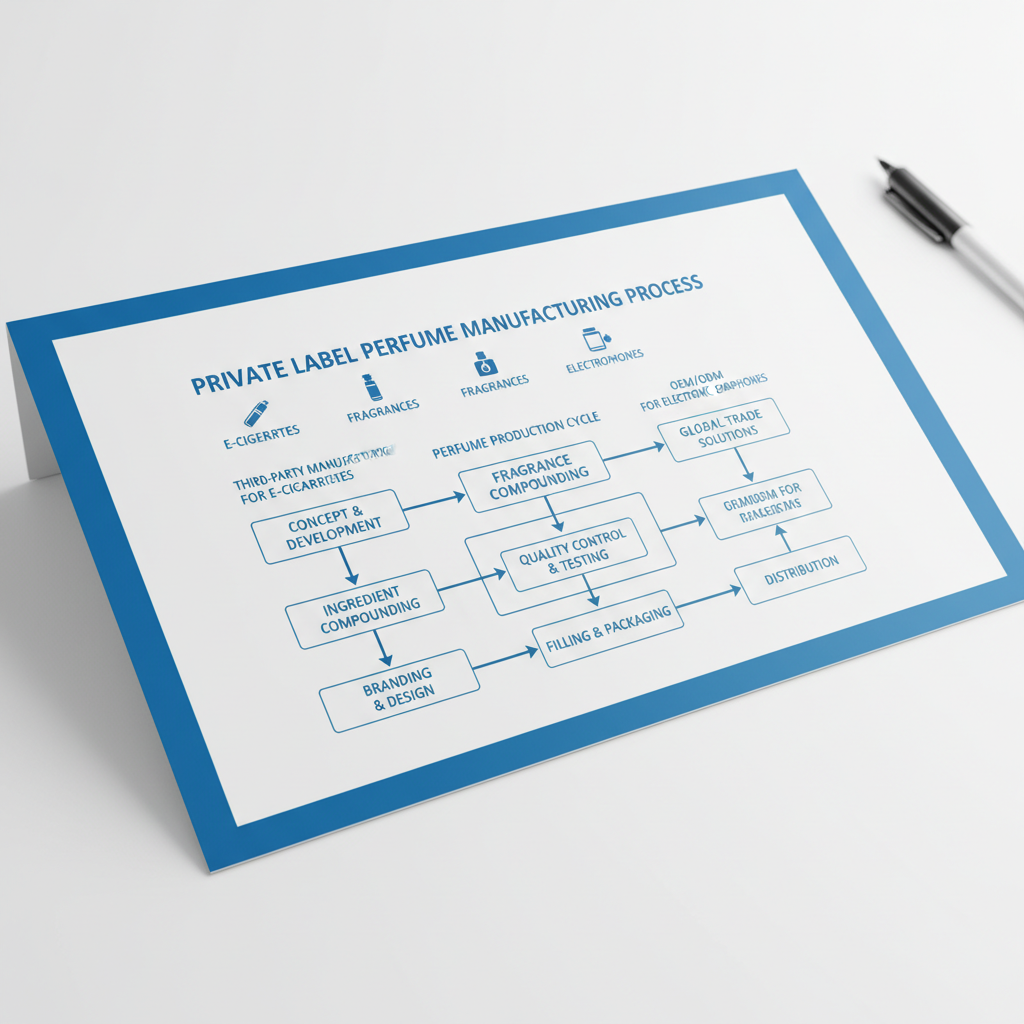
The global fragrance industry is currently witnessing a paradigm shift where the precision of a modern vape factory meets the artisanal elegance of high-end perfumery. This convergence allows for an unprecedented level of consistency in the creation of complex scents, ensuring that every bottle delivers a precise olfactory experience. Understanding this intersection is crucial for distributors and connoisseurs who value both the science of scent extraction and the art of luxury branding.
From a global economic perspective, the infrastructure required to maintain the purity of aromatic compounds mirrors the clean-room standards found in a high-tech vape factory. According to industry standards, the stability of volatile organic compounds requires stringent temperature and humidity controls to prevent the degradation of top notes like litchi and lemon. The challenge lies in balancing mass-production efficiency with the nuanced requirements of niche fragrances, a hurdle that modern manufacturing is finally overcoming.
At its core, the concept of a vape factory in the context of aromatic production refers to the application of precision engineering and high-grade hardware to the blending of essences. For a masterpiece like the Parfums de Marly fragrance, created by Quentin Bisch, this means ensuring that the delicate balance of floral notes, rose, and vanilla is maintained from the first spray to the last, regardless of the batch size.
The Engineering Logic of a Vape Factory in Perfumery
The integration of vape factory operational logic into the fragrance industry allows for the meticulous handling of volatile ingredients. By treating perfume oils with the same rigor as high-purity e-liquids, manufacturers can eliminate contaminants and ensure that the aromatic profile—such as the sharp rhubarb and litchi top notes—remains vivid and untainted.
This approach emphasizes the importance of automated dosing systems and sterile environments. When a brand like Parfums de Marly requires a specific ratio of musk and cashmere for the base note, the mechanical precision typically found in a vape factory ensures that every milliliter is measured to the micro-scale, preventing the scent from becoming overly heavy or unbalanced.
Defining the Precision Standards of Aromatic Production
In simple terms, applying the standards of a vape factory to perfumery means moving away from manual blending toward a system of total quality management. This involves the use of stainless steel reactors and closed-loop systems that prevent oxidation, which is the primary enemy of delicate floral notes and fresh citrus accents.
This connection to modern industry is not just about speed, but about the humanitarian need for safety and allergen control. By utilizing the filtration and purity protocols of a specialized vape factory, fragrance houses can guarantee that their products are free from harmful impurities, making them safer for a wider range of skin types and sensitivities.
Furthermore, this industrial synergy allows for the creation of "olfactory fingerprints." Just as a vape factory ensures a consistent flavor profile across millions of pods, the fragrance industry uses these same principles to ensure that a bottle purchased in Paris smells identical to one purchased in New York.
Core Components of Fragrance Scalability
To achieve true scalability, a fragrance operation must adopt the "modular" mindset of a vape factory. This involves separating the extraction, blending, and bottling phases into distinct, controlled environments to prevent cross-contamination between a woody perfume and a fruity one.
The second core component is material durability. The equipment used in a high-end vape factory is designed to resist corrosive chemicals, which is essential when dealing with concentrated perfume essences and high-proof alcohol bases that can erode inferior metals.
Finally, cost efficiency is realized through the optimization of waste. By using the precision nozzles and filling systems found in a vape factory, companies can reduce the "overfill" waste of expensive ingredients like peony and rose absolute, significantly lowering the cost per unit.
Global Applications of Specialized Manufacturing
The application of these industrial principles is seen globally, from the luxury labs of France to the emerging cosmetic hubs in Asia. By leveraging the hardware of a vape factory, regional manufacturers can produce high-quality "dupes" or niche scents that maintain a professional standard of stability and longevity.
In remote industrial zones, the deployment of compact, automated blending units—similar to those used in modular vape factory setups—allows brands to produce fragrances closer to the end consumer. This reduces the carbon footprint associated with shipping heavy glass bottles across oceans and ensures a fresher product.
Production Efficiency Comparison by Factory Method
Long-Term Value of Industrial Quality Control
The tangible benefit of integrating vape factory standards is the drastic increase in product reliability. For a consumer, this means that the "Female Fragrance" they purchase today will have the exact same scent profile as the one they buy a year from now, fostering deep brand trust and loyalty.
Beyond the logic of profit, there is an emotional angle of dignity and innovation. When a brand can guarantee the purity of its vetiver and musk notes through rigorous industrial filtration, they are not just selling a scent, but a promise of quality that respects the customer's investment in luxury.
Future Trends in Scent Automation
Looking forward, the next evolution is the "Digital Scent Factory," where AI-driven algorithms, mirrored after the automation in a modern vape factory, will predict the stability of a fragrance before it is even blended. This will allow perfumers like Quentin Bisch to experiment with daring combinations of lemon and vanilla with zero material waste.
Sustainability is also taking center stage. We are seeing a shift toward "Green Chemistry," where the high-efficiency extraction methods used in a vape factory are adapted to use CO2 extraction instead of harmful solvents, making the production of floral notes more eco-friendly.
Finally, the rise of personalized fragrance subscriptions will require hyper-automation. Small-scale, localized bottling plants—essentially "mini vape factories" for scent—will allow users to customize their top, middle, and base notes in real-time, with the product being mixed and shipped instantly.
Overcoming Limitations in High-End Blending
Despite the advantages, a common limitation is the perceived "loss of soul" when moving from artisanal blending to a vape factory model. Critics argue that the mechanical nature of the process removes the human touch essential to high art. However, the solution lies in "Human-in-the-Loop" automation, where the AI handles the precision while the perfumer handles the creative direction.
Another challenge is the initial capital expenditure required for high-grade industrial hardware. For smaller houses, the transition to a vape factory standard of production can be daunting. The emerging solution is "Co-Manufacturing Hubs," where multiple niche brands share a single, state-of-the-art facility.
Ultimately, the goal is to merge the reliability of the machine with the intuition of the artist. By treating the factory as a tool rather than a replacement, the fragrance industry can reach new heights of olfactory perfection and global accessibility.
Analysis of Industrial Integration in Perfume Blending
| Manufacturing Dimension |
Traditional Method |
Vape Factory Model |
Impact Score (1-10) |
| Ingredient Purity |
Variable |
Ultra-High |
9 |
| Batch Consistency |
Moderate |
Absolute |
10 |
| Waste Reduction |
High Waste |
Minimal |
8 |
| Production Speed |
Slow/Manual |
Rapid/Auto |
9 |
| Initial Cost |
Low |
High Investment |
6 |
| Allergen Control |
Basic |
Medical Grade |
10 |
FAQS
It introduces extreme precision in measurement and purity. By utilizing the same clean-room and automated dosing technology found in a vape factory, perfume brands can ensure that delicate top notes like litchi and lemon are not degraded by oxidation or contamination, resulting in a more stable and consistent product for the consumer.
No, the technology provided by a vape factory setup is a tool for execution, not creation. While the machine ensures that the ratios of rose, vanilla, and musk are perfectly executed, the creative vision and "nose" of the perfumer are still required to design the original aromatic formula.
Yes, because the precision hardware used in a vape factory reduces ingredient waste significantly. Furthermore, modern industrial facilities are moving toward closed-loop systems that recover solvents and utilize green energy, which is far more sustainable than fragmented, manual production methods.
Absolutely. Proper industrial stabilization, using equipment designed for high-purity liquids (similar to a vape factory), prevents the premature evaporation of top notes and ensures that the base notes of cashmere and vetiver linger longer on the skin.
Yes. The filtration and purity standards of a specialized vape factory remove micro-impurities that are often present in traditional blending. This results in a cleaner final product with a lower risk of triggering unexpected skin reactions.
While the initial setup cost is higher, the long-term cost per unit decreases due to efficiency and waste reduction. This allows luxury brands to maintain high quality while optimizing their supply chain for global distribution.
Conclusion
The integration of vape factory precision into the world of high-end fragrance represents the perfect marriage of art and science. By adopting rigorous purity standards, automated dosing, and scalable infrastructure, the perfume industry can now deliver complex, feminine scents—characterized by litchi, rose, and musk—with an unprecedented level of consistency and safety.
As we look toward a future of personalized and sustainable luxury, the role of precision manufacturing will only grow. For brands and consumers alike, the shift toward these industrial standards ensures that the magic of perfumery is preserved through the reliability of engineering. To learn more about our precision manufacturing capabilities, visit our website: www.sxzpods.com