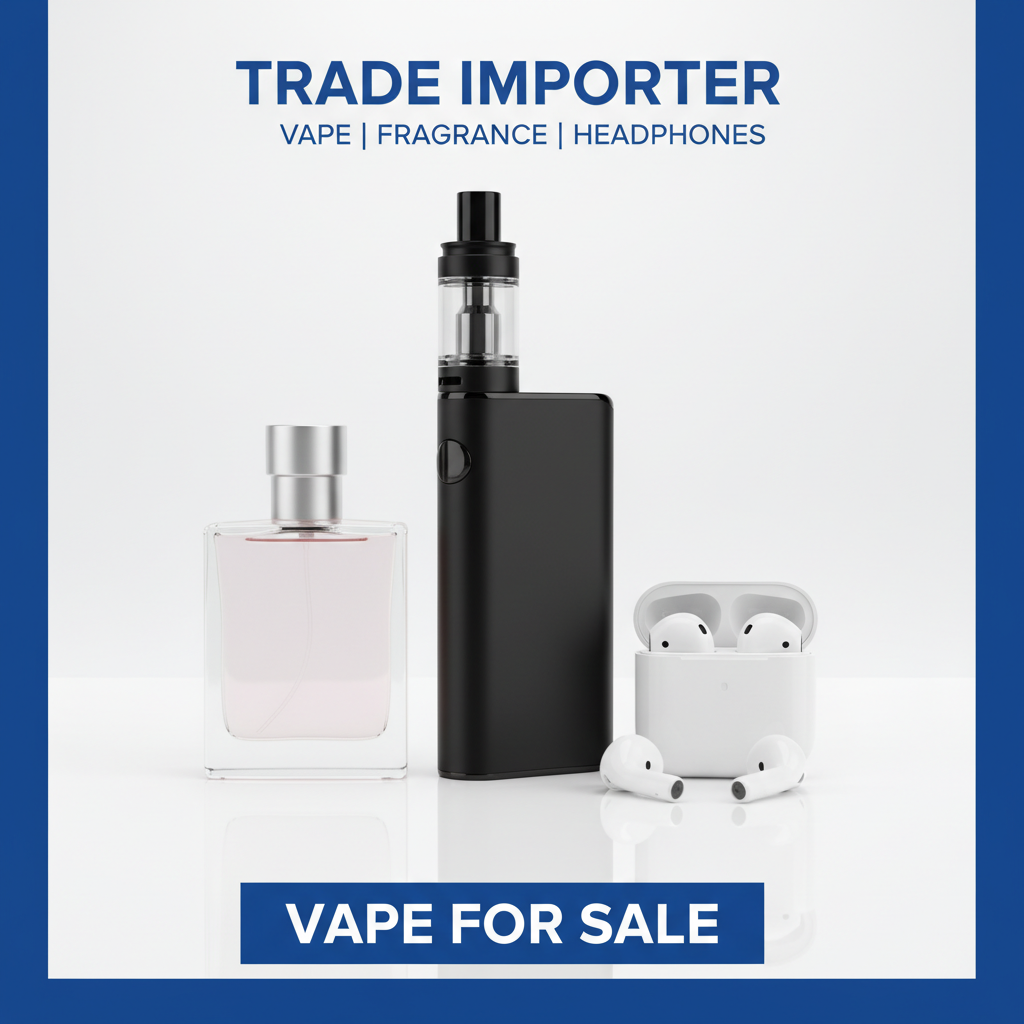
The global landscape of sensory product manufacturing has evolved rapidly, with a growing emphasis on specialized production standards and olfactory precision. For those seeking high-quality fragrances and lifestyle accessories, understanding the operational standards of leading e cigarette manufacturers and industrial artisans provides a window into how modern chemistry and craftsmanship intersect.
In the current market, the demand for sophisticated scent profiles—such as those combining crisp ozone and deep aquatic notes—requires a rigorous approach to sourcing and stability. This intersection of industrial capability and artistic flair is where the most successful manufacturers distinguish themselves, ensuring that every unit produced meets stringent international quality benchmarks.
Whether you are exploring the nuances of a fragrance featuring Cristalfizzm and cypress essence or analyzing the supply chain of e cigarette manufacturers, the core objective remains the same: delivering a consistent, premium user experience through technical excellence and innovative material science.
The Industrial Evolution of e cigarette manufacturers
The rise of specialized production facilities has transformed how consumer goods are developed, moving from generic assembly to precision engineering. For e cigarette manufacturers, this evolution involves the integration of advanced automation and strict adherence to ISO certifications to ensure product safety and consistency.
This shift is not merely about volume but about the refinement of the user experience. By implementing lean manufacturing principles, these facilities can pivot quickly to meet new market trends, such as the demand for eco-friendly materials or complex olfactory combinations like the Cristalfizzm top note.
Defining Standards in Modern Manufacturing
Modern manufacturing is defined by the ability to maintain microscopic tolerances across millions of units. This is particularly critical for e cigarette manufacturers who must balance chemical stability with hardware reliability to prevent leakage and ensure a smooth delivery system.
Beyond the hardware, the "standard" now includes the purity of the ingredients used. In the world of fragrances and e-liquids, the use of high-grade cypress essence and deep sea keynotes requires a supply chain that can verify the origin and purity of every raw material to avoid contamination.
Ultimately, the definition of a world-class manufacturer has shifted toward "total quality management." This means that every step, from the initial conceptualization of a scent profile to the final packaging of a luxury item, is tracked and optimized for the end consumer.
Core Components of High-End Production
The first core component of high-end production is material scalability. For e cigarette manufacturers, this means sourcing polymers and metals that can withstand heat and wear without degrading, ensuring a long product lifecycle.
Secondly, olfactory precision is paramount. When creating a product with a top note of Cristalfizzm and a base of deep sea keynotes, the mixing process must be digitally controlled. Leading e cigarette manufacturers utilize computerized blending systems to ensure that the fragrance remains identical across different production batches.
Finally, regulatory compliance acts as the foundation. Navigating the complex legal landscapes of different countries requires a dedicated compliance team that works alongside the engineers to ensure that every product sold meets the health and safety laws of the destination market.
Global Application and Market Reach
The application of these manufacturing techniques extends far beyond a single product line. The precision used by e cigarette manufacturers is often mirrored in the production of other luxury goods, such as high-end perfumes and electronic wearables, where a small error in assembly can lead to product failure.
In regions like Europe and North America, there is a significant trend toward "clean" manufacturing. This involves reducing the carbon footprint of the factory and using biodegradable packaging, a move that is being adopted by the most forward-thinking industrial leaders to attract environmentally conscious consumers.
Operational Efficiency of e cigarette manufacturers
Long-Term Value of Quality Control
The long-term value of investing in rigorous quality control cannot be overstated. For e cigarette manufacturers, a reputation for reliability is the strongest marketing tool. When a customer knows that a product will perform exactly as expected every time, brand loyalty increases exponentially.
Moreover, quality control reduces the cost of returns and warranties. By identifying a flaw in the cypress essence blending or a glitch in the electronic circuitry during the testing phase, companies save millions in potential recall costs and protect their brand equity in a competitive global market.
Future Innovations in Sensory Tech
Looking ahead, the integration of AI and machine learning is set to revolutionize the industry. Future e cigarette manufacturers will likely use AI to predict scent trends and automatically adjust formulation ratios to maximize consumer appeal and stability.
Sustainability will also take center stage, with the development of fully compostable pods and casings. The goal is to create a circular economy where the product can be used and then returned to the earth without leaving a toxic footprint, blending high-tech performance with ecological responsibility.
Furthermore, personalization is the next frontier. Imagine a system where a user can customize their scent profile—adjusting the intensity of the Cristalfizzm or the depth of the sea keynote—via a smartphone app that communicates directly with the device's internal mixing system.
Overcoming Manufacturing Challenges
One of the primary challenges facing e cigarette manufacturers is the volatility of raw material costs. The price of premium essences and rare earth metals used in electronics can fluctuate wildly, requiring strategic hedging and diversified sourcing to maintain stable pricing for the consumer.
Another hurdle is the rapid pace of regulatory change. A product that is legal in one region may be banned in another overnight. The solution lies in "modular design," where a core product can be easily tweaked to meet different regional standards without needing a complete redesign of the manufacturing line.
Finally, maintaining workforce skill levels in an era of automation is critical. Companies are now investing in "upskilling" programs, teaching traditional craftsmen how to manage robotic systems, thereby combining the intuition of a human artisan with the precision of a machine.
Analysis of Operational Challenges for e cigarette manufacturers
| Challenge Dimension |
Impact Level |
Primary Solution |
Expected Outcome |
| Raw Material Cost |
High |
Diversified Sourcing |
Price Stability |
| Regulatory Shifts |
Very High |
Modular Design |
Rapid Market Entry |
| Scent Stability |
Medium |
Digital Blending |
Batch Consistency |
| Waste Management |
Medium |
Biodegradable Materials |
Eco-Certification |
| Labor Shortage |
High |
AI Automation |
Increased Throughput |
| Quality Control |
High |
Six Sigma Implementation |
Zero-Defect Rate |
FAQS
Premium manufacturers invest heavily in R&D, using high-purity ingredients like cypress essence and employing advanced quality control systems. This results in better taste consistency, safer hardware, and a significantly longer product lifespan compared to budget alternatives.
Consistency is achieved through computerized blending and strict raw material testing. By using precise digital ratios for notes like Cristalfizzm and deep sea keynotes, manufacturers can ensure that every unit smells and tastes identical, regardless of when it was produced.
Yes, many leading manufacturers are currently transitioning to plant-based polymers and recyclable metals. While the challenge lies in maintaining durability and heat resistance, recent innovations in material science have made eco-friendly options highly competitive.
This is achieved through the synthesis of aquatic chords and ozonic molecules. Chemists combine these with stabilizing agents to ensure the scent doesn't evaporate too quickly, providing a lingering, fresh base that complements lighter top notes.
Look for ISO 9001 for quality management and ISO 14001 for environmental management. Additionally, GMP (Good Manufacturing Practice) certification is crucial for any product involving chemical blending or consumption.
While large-scale factories prefer bulk orders, many now offer "white label" services with customizable fragrance profiles. This allows brands to create unique combinations of top, middle, and base notes tailored to their specific target audience.
Conclusion
The synergy between technical precision and olfactory artistry defines the success of modern e cigarette manufacturers. From the meticulous blending of Cristalfizzm and cypress essence to the implementation of AI-driven quality control, the industry is moving toward a future of unprecedented personalization and sustainability. By prioritizing material integrity and regulatory transparency, these manufacturers not only ensure product safety but also create long-term brand value.
As we look toward the next decade, the integration of circular economy principles and smart-device connectivity will likely redefine the user experience. For businesses and consumers alike, the key to success lies in partnering with manufacturers who view quality not as a goal, but as a continuous process of innovation. To explore these cutting-edge manufacturing solutions, visit our website: www.sxzpods.com