Understanding the dynamics of the vape price is essential for both consumers and retailers in today's rapidly evolving electronic nicotine delivery systems market. As the industry shifts from simple starter kits to sophisticated high-performance devices, the pricing architecture has become a complex interplay of hardware innovation, regulatory taxes, and material sourcing.
Globally, the fluctuations in the vape price are often reflective of larger economic trends, including the cost of lithium-ion battery production and the implementation of excise taxes designed to curb youth usage. For the end-user, these shifts determine whether a transition from traditional tobacco to vaping remains a financially viable alternative, making price transparency a critical component of market trust.
By analyzing the variables that drive the vape price, from the quality of the E-liquid to the durability of the heating element, stakeholders can make more informed procurement decisions. This comprehensive guide explores the multifaceted nature of pricing in the vaping industry, ensuring you understand exactly what you are paying for when investing in your device.
Global Market Drivers of Vape Price
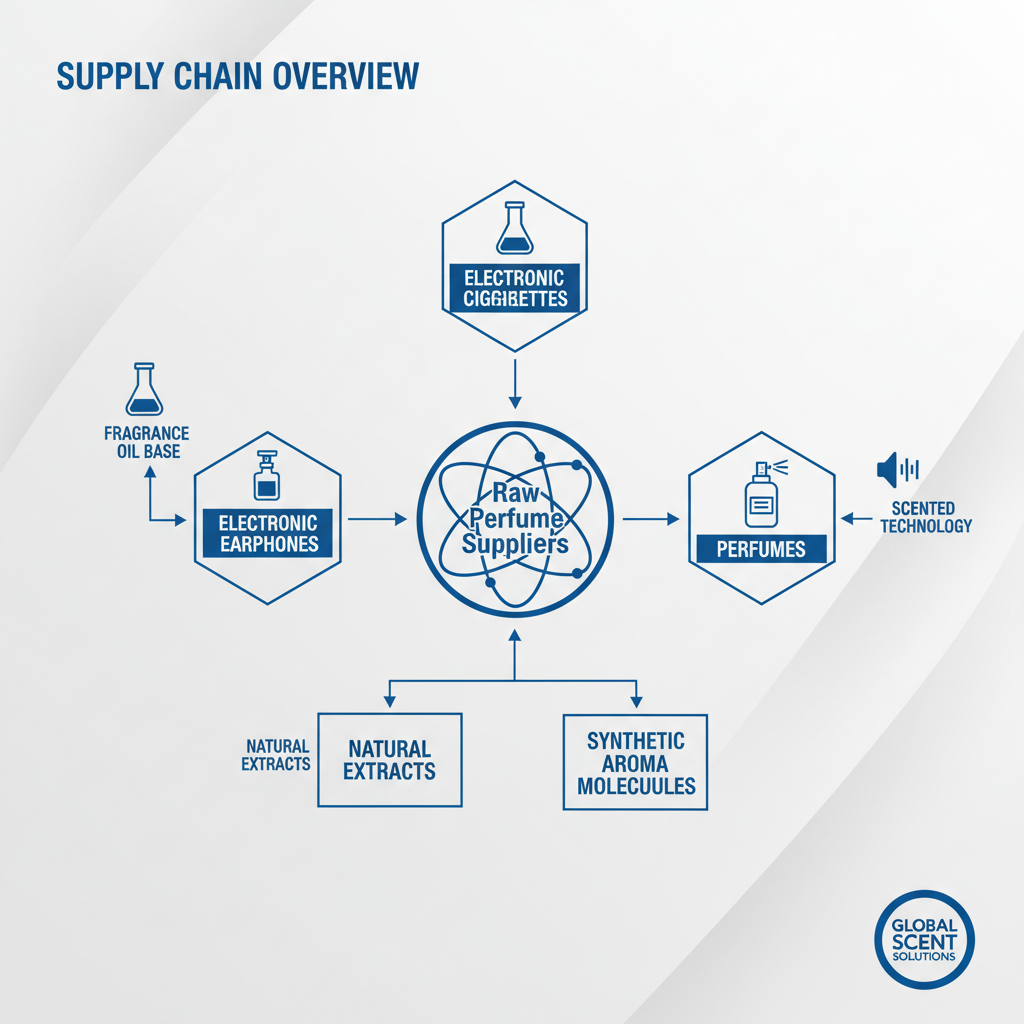
The global landscape of the vape price is heavily influenced by the supply chain of raw materials. For instance, the cost of medical-grade stainless steel and high-capacity lithium batteries fluctuates based on international trade policies and mining outputs. When the cost of these essential components rises, manufacturers inevitably pass these expenses down to the consumer.
Furthermore, logistics and shipping costs play a pivotal role in the final retail price. Since a significant portion of hardware is produced in specialized industrial zones in Asia, the cost of transatlantic or transpacific freight directly impacts the local vape price in European and North American markets, adding layers of overhead before a product even hits the shelf.
Hardware Complexity and Cost Stratification
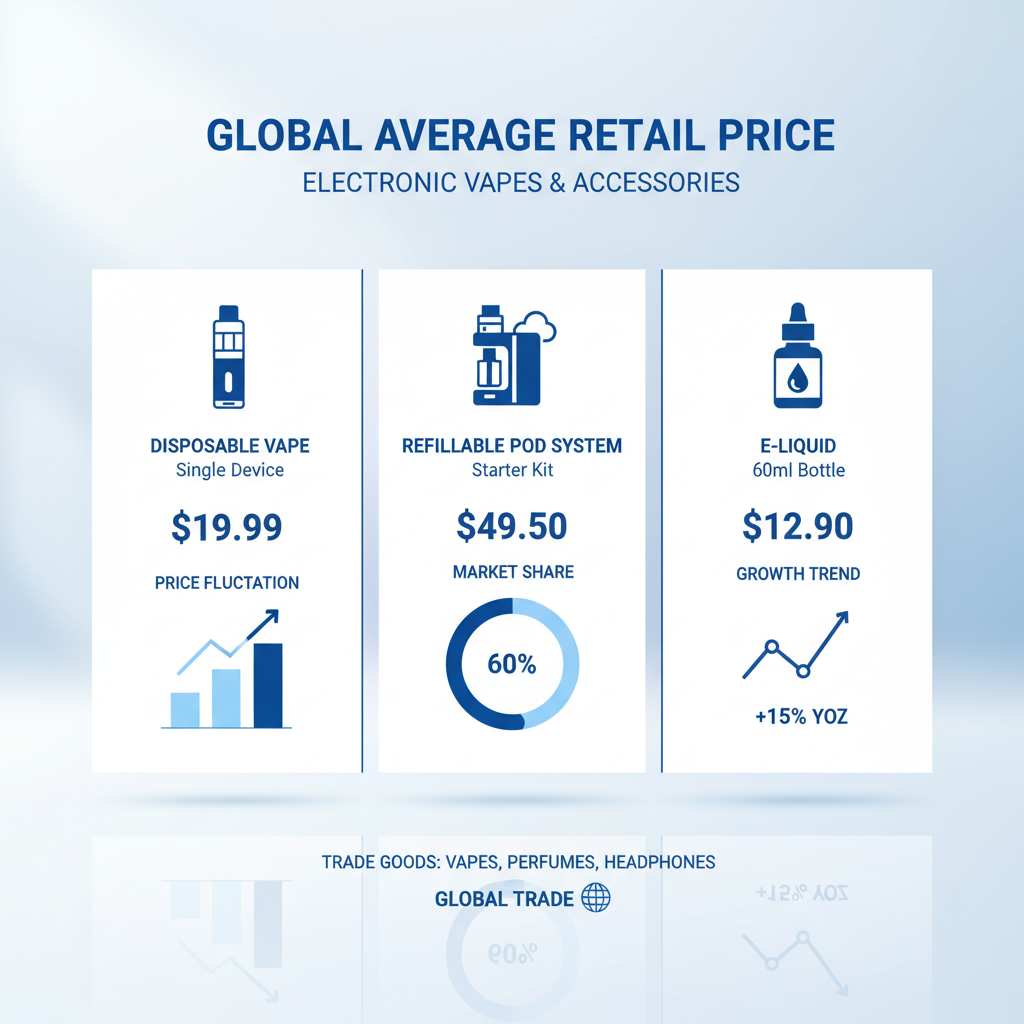
Not all devices are created equal, and this disparity is clearly reflected in the vape price across different categories. Entry-level disposable devices are priced for accessibility and high turnover, utilizing simpler circuitry and lower-grade plastics to keep the initial investment low for new users.
In contrast, high-end mod systems feature advanced chipsets that allow for precise wattage control, temperature regulation, and customizable firing modes. The inclusion of OLED screens and premium alloys increases the manufacturing cost, resulting in a significantly higher vape price that reflects the device's longevity and versatility.
The mid-range "pod mod" segment attempts to balance these two extremes. By offering refillable tanks and rechargeable batteries, these devices provide a moderate vape price while reducing the long-term cost of ownership compared to disposables, appealing to the pragmatic consumer.
Regulatory Impact on Retail Vape Price
Governmental interventions are perhaps the most volatile factor affecting the vape price. Excise taxes, often implemented as "sin taxes," can sometimes double the cost of a product overnight, regardless of the actual production cost.
Compliance costs also bleed into the vape price. Manufacturers must invest heavily in laboratory testing, certification, and packaging updates to meet the strict health and safety standards mandated by organizations like the FDA or the EU's TPD, adding an invisible premium to every unit sold.
These regulatory burdens create a fragmented global market where the same device may have a vastly different vape price depending on the country's legal framework, forcing brands to adopt regional pricing strategies to remain competitive.
Comparative Value Analysis of Device Types
When evaluating the vape price, it is crucial to distinguish between "upfront cost" and "cost per puff." While a disposable device has the lowest entry price, its lack of refillability makes it the most expensive option over a six-month period.
Conversely, investing in a refillable system involves a higher initial vape price but offers drastic savings through the bulk purchase of E-liquids and replaceable coils. This shift from a consumable model to a durable-goods model is where the most significant financial value is found for the enthusiast.
Comparative Value Efficiency by Vape Price Category
Long-term Cost Efficiency and Sustainability
From a sustainability perspective, the vape price is not just about money, but about the environmental cost of waste. Disposable devices, while cheap at the point of sale, contribute to massive electronic waste, creating a hidden ecological price tag.
Moving toward open-system devices allows users to lower their recurring vape price while significantly reducing their carbon footprint. By replacing only the coil and refilling the tank, the cycle of consumption is slowed, aligning financial savings with environmental responsibility.
The Role of Brand Equity in Pricing
Brand recognition often adds a premium to the vape price that transcends the physical materials of the device. Well-established brands invest heavily in R&D and marketing, which allows them to command a higher price point based on perceived reliability and prestige.
However, this premium often guarantees a certain level of quality control. A higher vape price from a reputable brand typically means better battery safety certifications and more consistent flavor profiles in their proprietary pods.
For the budget-conscious user, "white-label" or generic devices may offer a lower vape price, but these often come with the risk of shorter lifespans and inconsistent performance, proving that the cheapest option is not always the most economical in the long run.
Future Price Projections and Tech Innovation
The future of the vape price will likely be driven by automation in manufacturing and the discovery of more efficient heating materials. As ceramic coil technology becomes more standardized, we can expect the cost of high-performance pods to drop, making premium experiences more affordable.
Digital transformation in the supply chain, such as direct-to-consumer (DTC) models, is already cutting out the middleman, which helps stabilize the retail vape price. By removing the distributor markup, brands can offer high-spec hardware at prices previously reserved for budget devices.
Ultimately, the trend is moving toward "smart" vaping, where AI-driven battery management extends the life of the device, effectively lowering the amortized vape price over the product's lifecycle.
Comparison of Pricing Factors Across Device Generations
| Device Generation |
Primary Cost Driver |
Average Price Tier |
Long-term Value |
| 1st Gen (Cigalikes) |
Basic Circuitry |
Low |
Low |
| 2nd Gen (Box Mods) |
Chipset Complexity |
High |
High |
| 3rd Gen (Pod Systems) |
Convenience/Portability |
Medium |
Medium |
| 4th Gen (Disposable) |
Disposable Battery |
Low (Entry) |
Very Low |
| 5th Gen (Smart Vapes) |
AI & Smart Sensors |
Premium |
High |
| Eco-Hybrid Systems |
Biodegradable Materials |
Medium-High |
Maximum |
FAQS
The difference usually stems from material quality, R&D investment, and brand positioning. Premium brands use higher-grade alloys and more sophisticated chipsets, ensuring better safety and longevity, which justifies a higher vape price compared to generic alternatives.
No. While the initial vape price for a disposable is low, the cost per milliliter of e-liquid is significantly higher than that of a refillable system. Switching to a pod or mod system usually saves the user money within the first month of use.
Depending on the region, excise taxes can add a significant percentage to the retail cost. In some jurisdictions, the tax can account for 30% to 50% of the total vape price, making the same product much more expensive in one city than another.
Not necessarily. While price often correlates with features, some brands overcharge for aesthetic design without improving internal components. It is important to check the battery specifications and coil types rather than relying solely on the price tag.
A refillable pod system is generally the best balance. It has a moderate upfront vape price but allows you to buy e-liquids in bulk, providing a professional experience without the excessive costs associated with disposables.
Generally, yes. As manufacturing processes become more automated and materials like ceramic coils become cheaper to produce, the base vape price for high-quality hardware tends to decrease over time.
Conclusion
Navigating the complexities of the vape price requires a holistic understanding of hardware costs, regulatory burdens, and long-term consumption patterns. From the initial investment in a device to the recurring costs of coils and e-liquids, the most economical choice is rarely the one with the lowest sticker price, but rather the one that offers the best value-to-cost ratio over time.
As the industry moves toward more sustainable, refillable, and technologically advanced systems, consumers are empowered to make choices that benefit both their wallets and the environment. We encourage you to prioritize quality and sustainability to ensure a safer and more cost-effective experience. Visit our website: www.sxzpods.com